
Best Solar Integrated Roofing Options for 2026 Homes
Table of Contents
- Exploring Solar Integrated Roofing in Vancouver, BC
- Fundamentals of Solar Integrated Roofing
- In-Depth Analysis of Solar Roofing Technologies
- Practical Applications of Solar Roofing in BC
- Advanced Solar Roofing Solutions for 2025
- Frequently Asked Questions on Solar Roofing
- Choosing Solar Integrated Roofing with Paragon
Exploring Solar Integrated Roofing in Vancouver, BC
We at Paragon Roofing BC recognize the shift from traditional roofing to innovative, energy-generating solutions in Vancouver, BC. Solar integrated roofing embeds photovoltaic cells—solar technology that converts sunlight into electricity—directly into materials like shingles or tiles. This approach eliminates bulky panels, creating a seamless, efficient roof that harnesses Vancouver’s ample sunlight for renewable power.
Solar integrated roofing offers significant environmental advantages in Vancouver, BC. By generating clean energy, it reduces carbon footprints and supports sustainability goals for homes and businesses. According to practical insights from Paragon Roofing BC, these systems align with local incentives like BC Hydro rebates, making adoption more accessible. Practical applications suit the city’s sloped roofs, common in its architecture, and integrate with home energy systems to offset high costs during rainy seasons.
Key benefits include:
- Reduced energy consumption: Up to 15-40% annual savings, as noted in authoritative guidance from Paragon Roofing BC on Vancouver’s climate.
- Enhanced durability: Withstands coastal weather, providing long-term value.
- Incentive eligibility: Qualifies for provincial rebates, boosting ROI.
For types, solar shingles provide aesthetic integration, replacing traditional materials while producing power. Solar roof tiles offer durable, high-output performance ideal for Vancouver’s mild summers. When selecting energy efficient roofing in Vancouver, these options maximize utility bill reductions through strategic integration.
Installation in Vancouver, BC, requires compliance with municipal codes and certified local contractors to ensure warranty coverage and grid connectivity. We recommend partnering with experts like Paragon Roofing BC for seamless implementation. Expect 20-30% average energy savings on bills, delivering strong ROI for commercial properties—explore next steps with us for tailored solutions.
Fundamentals of Solar Integrated Roofing
Solar integrated roofing represents an innovative approach where photovoltaic (PV) technology, which converts sunlight into electricity, is embedded directly into roofing materials. This seamless integration eliminates the need for separate solar panels, providing both energy generation and weather protection in one system. At Paragon Roofing BC, we see this as a game-changer for sustainable upgrades in British Columbia, particularly for homes and commercial properties seeking to reduce reliance on traditional energy sources.
What sets solar integrated roofing apart from conventional solar panels? Unlike mounted arrays that require additional racking, these systems blend aesthetics with functionality, ideal for modern builds or retrofits. They address key homeowner concerns about roof space and visual appeal while contributing to energy independence.
The three primary types cater to diverse needs and budgets. Solar shingles use thin-film PV cells within an asphalt-like material, mimicking traditional roofing for a low-profile look. These offer efficiencies of 15-20% and suit seamless replacements on existing structures. Solar roof tiles feature interlocking modular units with crystalline silicon panels, providing an upscale, tile-like appearance with 18-22% efficiency. They appeal to those prioritizing design in residential or commercial settings. Solar metal roofs incorporate panels into durable standing-seam sheets, achieving 20-25% efficiency and excelling in harsh weather with longevity up to 50 years.
Installation methods vary by type, influencing overall feasibility. Solar shingles are nailed or adhered directly over existing roofs, similar to standard shingle work, minimizing disruption. Solar roof tiles require a racking system elevated over the base roof for wiring access and airflow. Solar metal roofs integrate panels during the metal assembly, ensuring watertight seals through bolting—best for new installations.
When evaluating options, consider technology maturity, ease of installation, and cost drivers like labor and materials. According to U.S. Department of Energy guidelines, adapted for the Canadian market with BC premiums, initial costs reflect roof size and energy output. The following table outlines key differences for a 100 sqm roof, helping initial assessments.
| Type | Technology | Installation Method | Initial Cost Range (CAD) |
|---|---|---|---|
| Solar Shingles | Photovoltaic cells integrated into shingle material | Adhesive or nailing on existing roof | 15,000 – 25,000 per 100 sqm |
| Solar Roof Tiles | Modular tiles with built-in solar panels | Racking system over base roof | 20,000 – 35,000 per 100 sqm |
| Solar Metal Roofs | Panels attached to metal roofing sheets | Direct integration during metal install | 25,000 – 40,000 per 100 sqm |
In British Columbia’s coastal climate, these systems shine for durability against rain and wind, aligning with regional renewable goals. Environment America research highlights solar shingles’ market evolution, noting improved efficiencies despite past cost hurdles, while our local insights from Paragon Roofing BC emphasize reduced carbon footprints—up to 40% energy savings annually. For Delta properties, eco friendly roofing in Delta supports sustainability initiatives, offering ROI through net metering and incentives. Commercial operators benefit from scalable installations, with metal roofs ideal for industrial durability and tiles for aesthetic commercial facades. We recommend structural assessments to match types to specific needs, ensuring long-term performance in Delta’s wet environment.
These fundamentals underscore solar integrated roofing’s potential for eco-conscious upgrades. As we explore incentives and maintenance next, consider how these systems fit your energy goals in Vancouver and beyond.
Building on this overview, the infographic visually reinforces key trade-offs, aiding decisions for BC installations.
In-Depth Analysis of Solar Roofing Technologies
As a trusted roofing contractor across British Columbia, we at Paragon Roofing BC recognize the growing interest in solar integrated roofing solutions for both residential and commercial properties in Vancouver’s unique climate. These technologies blend energy generation with durable roofing, offering long-term benefits amid the region’s variable weather.
How Solar Shingles Integrate with Residential Structures
Solar shingles represent an innovative approach to solar integrated roofing, seamlessly combining photovoltaic functionality with traditional roofing aesthetics. The solar shingles history reveals their evolution from early prototypes to modern systems using crystalline silicon cells embedded in durable, shingle-like modules. These cells capture sunlight and convert it into electricity through the photovoltaic process, where photons excite electrons in the silicon layers, generating direct current that inverters transform into usable alternating current for homes.
Installation on sloped roofs in Vancouver’s typical 4/12 pitch involves interlocking the shingles directly onto the underlayment, mimicking conventional asphalt shingles while distributing weight evenly to withstand coastal winds up to 90 km/h. We recommend flexible mounting systems that allow for thermal expansion, ensuring secure attachment without compromising the roof’s integrity. This integration requires precise alignment to maximize sun exposure, often incorporating micro-inverters at each shingle for optimized output even under partial shading from nearby evergreens.
According to local roofing expert insights from Paragon Roofing BC, standing seam alternatives can enhance durability for solar attachments on steeper pitches, providing superior wind resistance and easier access for maintenance. Homeowners benefit from reduced visible bulk compared to panel arrays, preserving curb appeal while generating up to 10 kW for a standard 2,000 sq ft roof. This adaptation suits Vancouver’s sloped residential structures, bridging energy efficiency with structural reliability.
Compatibility of Solar Systems with TPO and Flat Roofs
Integrating solar systems with TPO membranes on flat roofs presents unique challenges for commercial buildings in British Columbia, particularly in Vancouver where seismic activity and heavy rains demand robust solutions. TPO, or thermoplastic polyolefin, is a popular single-ply membrane for its heat-welded seams and UV resistance, yet mismatches in thermal expansion rates between the flexible TPO and rigid solar panels can lead to stress points and potential leaks over time.
Key issues include puncturing the membrane during mounting and ensuring waterproofing integrity, as noted in authoritative industry standards from the Roofing Contractors Association of BC. Solutions involve non-penetrating ballasts like concrete pavers or weighted racks to secure panels without drilling, minimizing breach risks. For added stability, rail systems with adhesive attachments distribute loads evenly, complying with wind uplift requirements in the Lower Mainland’s gusty conditions.
Recent roofing practices manual updates emphasize enhanced sealing protocols, such as silicone-based flashings around mounting points to prevent water ingress on commercial TPO roofs. These updates, drawn from RCABC’s revisions to waterproofing standards, ensure compatibility for buildings like warehouses and offices, where flat roofs cover large surfaces. At Paragon Roofing BC, our experience with TPO installations highlights the importance of site-specific engineering to align solar arrays with the membrane’s elasticity, reducing long-term maintenance needs.
In commercial settings across Vancouver, these integration strategies address common hurdles like limited roof space and access constraints. For instance, hybrid setups combine surface-mounted panels with perimeter anchoring, allowing solar systems to overlay existing TPO without full replacement. This approach not only preserves warranty coverage but also leverages TPO’s reflective properties to boost panel efficiency by up to 5% through reduced heat buildup. As businesses seek sustainable upgrades, understanding these adaptations ensures seamless performance in British Columbia’s demanding environment.
The following table compares key solar roofing technologies in terms of compatibility and output, tailored to local conditions:
| Technology | TPO Compatibility | Cloudy Weather Efficiency (%) | Energy Output (kWh/sqm/year in BC) |
|---|---|---|---|
| Solar Shingles | Partial – requires hybrid setup | 15-20 | 800-1000 |
| Solar Tiles | Limited – surface mounting only | 12-18 | 700-900 |
| Solar Metal | High – direct panel attachment | 18-25 | 900-1200 |
This comparison underscores the trade-offs for Vancouver businesses evaluating solar integrated roofing options. Solar metal systems excel in direct attachment to TPO, minimizing penetration risks while achieving higher efficiencies, as supported by government-backed research on cool roof technologies from the U.S. Department of Energy. In contrast, solar shingles demand hybrid configurations, potentially increasing upfront costs but offering aesthetic versatility for mixed-use properties. Energy outputs reflect adjustments for British Columbia’s irradiance, with metal variants providing the most reliable yields amid frequent cloud cover.
Vancouver’s climate, featuring approximately 1,800 cloudy hours annually, amplifies the value of high-efficiency options like solar metal roofs, which maintain 18-25% performance per U.S. Department of Energy data adapted to local conditions. Lower outputs from tiles highlight the need for oversized arrays in commercial applications, while shingles suit hybrid retrofits. Local expert insights from Paragon Roofing BC affirm that selecting based on building type optimizes ROI, with metal integrations yielding 10-15% more energy than tiles over a decade. These metrics guide informed decisions for sustainable roofing in the Lower Mainland.
Performance Metrics in Cloudy Climates
Solar roofing technologies in British Columbia’s Lower Mainland must contend with frequent overcast skies, where efficiency typically drops 20-30% compared to sunnier regions. Local solar irradiance averages 3.5 kWh/m²/day, influencing annual outputs for systems like solar roof tiles, which capture diffuse light through advanced polycrystalline cells but yield 700-900 kWh/sqm/year under these conditions per adapted cool roof guidelines.
Reliable government-backed research from the U.S. Department of Energy indicates that reflective surfaces in cool roofs enhance photovoltaic performance by mitigating heat, crucial in Vancouver’s mild yet cloudy weather. Solar metal roofs, for instance, achieve 900-1200 kWh/sqm/year, benefiting from standing seam designs that facilitate direct panel mounting and better airflow for cooling. This results in sustained efficiency of 18-25%, even during prolonged gray periods common to the region.
Authoritative industry standards from the Roofing Contractors Association of BC stress the role of proper ventilation in maintaining output, preventing efficiency losses from moisture buildup. For commercial operators, these metrics translate to meaningful savings, with metal systems offsetting 40-50% of energy needs in mid-sized facilities. Building on this compatibility, the next consideration is economic viability in BC, including incentives for such installations.
Practical Applications of Solar Roofing in BC
Building on the environmental and economic benefits of solar roofing, practical applications in British Columbia focus on seamless integration for both residential and commercial properties. At Paragon Roofing BC, we specialize in solar integrated roofing solutions tailored to Vancouver’s unique climate, enabling businesses and homeowners to harness renewable energy while enhancing roof durability.
To bring these benefits to life, understanding the installation process is essential.
Installation Processes for Commercial and Residential Projects
At Paragon Roofing BC, we guide clients through a structured seven-step installation for solar integrated systems, ensuring efficiency and compliance in Vancouver. The process begins with an initial consultation and site assessment, where our team evaluates roof condition, structural integrity, and solar exposure to determine feasibility. This step, drawing on local expertise, identifies optimal panel placement to maximize energy yield.
Next comes the design phase, calculating energy needs based on usage patterns and property size. We then secure permitting and approvals from BC Hydro, navigating provincial regulations efficiently. Material selection follows, choosing durable options like solar shingles for residential roofs or robust panels for commercial setups.
Physical installation starts with roof preparation, including any necessary repairs or underlayment. Integration of electrical systems connects the solar array to inverters and the grid. Finally, a thorough inspection and grid connection testing verify performance and safety.
Commercial projects often involve larger-scale coordination, such as phased installations to minimize downtime, while residential ones prioritize aesthetics and quicker timelines. With our decades of local experience, we adapt these steps for Vancouver’s wet weather, ensuring long-term reliability.
Beyond setup, budgeting is key to making solar roofing accessible.
Cost Analysis and Budgeting for 2025 Installations
For 2025 solar roofing projects in British Columbia, costs vary based on system type and scale, with average totals for a 100 sqm roof ranging from CAD 20,000 to 40,000. Base material costs sit at CAD 150-400 per sqm, covering options like solar shingles or tiles, while labour rates in BC hover at CAD 50-100 per hour due to skilled trades and regional demand. According to Paragon Roofing BC’s local expert projections, these figures account for inflation-adjusted increases, influenced by Vancouver’s marine climate requiring enhanced weatherproofing.
Additional expenses include permitting (CAD 500-1,000) and electrical integration (CAD 2,000-5,000). BC-specific factors, such as higher material transport costs and compliance with seismic standards, add 10-15% to national averages. However, incentives mitigate these: the federal Investment Tax Credit offers 30% off eligible costs, and provincial rebates up to CAD 5,000 through programs like CleanBC Better Homes. For businesses, bulk installations qualify for enhanced deductions. By bundling with roof replacements, clients can leverage BC Hydro rebates up to CAD 10,000 for energy-efficient upgrades, making 2025 a strategic time for investment in Vancouver.
When evaluating options, several factors shape overall expenses and value in the Canadian context. Material durability plays a key role, as BC’s frequent rain demands corrosion-resistant choices like metal-integrated systems. Local labour rates, averaging 20% above national figures due to Vancouver’s construction boom, influence totals, while energy prices—around CAD 0.12/kWh—amplify ROI potential. Sourcing from certified suppliers ensures quality, avoiding hidden fees from subpar imports. For a typical commercial property, these elements can push initial outlays higher, but long-term savings on utility bills offset them. Paragon Roofing BC’s free on-site inspections help pinpoint exact needs, factoring in roof pitch and orientation for precise estimates. Government data from the U.S. Department of Energy, adapted for Canadian parallels, underscores how upfront investments yield substantial returns through reduced emissions and energy independence.
| Option | Installation Cost (CAD/sqm) | Annual Maintenance Cost | Expected ROI (Years) |
|---|---|---|---|
| Solar Shingles | 150-250 | 200-400 | 7-10 |
| Solar Tiles | 200-300 | 300-500 | 8-12 |
| Solar Metal Roofs | 250-400 | 150-300 | 6-9 |
Solar shingles offer a balance of affordability and integration, ideal for residential roofs in Vancouver, while solar roof tiles provide superior aesthetics for commercial facades, though at higher upkeep. Solar metal roofs excel in durability against BC winds, boasting the quickest ROI per adjusted Paragon and Energy.gov data. Canadian incentives further enhance viability: the federal Greener Homes Grant covers up to CAD 5,000 for retrofits, complemented by GST/HST rebates on installations. Net metering allows excess energy sales back to BC Hydro, accelerating payback—often under 8 years for businesses. Provincial programs like the BC Energy Step Code incentivize commercial adopters with tax credits, while low-interest loans from Canada Greener Homes reduce barriers. For enterprises in Vancouver, these supports, combined with our full-service plans, transform solar integrated roofing into a smart financial move, cutting operational costs by 20-30% annually. Homeowners benefit similarly through streamlined rebates. Always consult local experts to tailor incentives, ensuring maximum savings aligned with 2025 projections.
Sustaining performance requires ongoing care, particularly in Vancouver’s variable weather.
Maintenance Routines for Long-Term Performance
At Paragon Roofing BC, we recommend quarterly checks to optimize solar roofing longevity, based on our Vancouver plans. In spring, clean debris from solar panels and inspect seals for moisture ingress. Summer routines focus on heat damage assessments, verifying inverter functionality amid high temperatures.
Fall maintenance secures components against winds, tightening mounts and clearing gutters. Winter protocols include safe snow removal to prevent shading and structural strain, using soft tools to avoid scratches.
Annual professional servicing, costing CAD 200-500, covers full diagnostics and efficiency tests. For detailed answers on common queries like these seasonal checks, see our roofing FAQs in Vancouver. Drawing from practical Q&A guidance as a BC roofing specialist, this approach ensures warranties remain valid and output peaks, per U.S. Department of Energy homeowner guidelines.
Advanced Solar Roofing Solutions for 2025
Building on foundational solar options, 2025 brings advanced innovations in solar integrated roofing that promise greater efficiency and seamless integration for homes in British Columbia. As technology evolves, these solutions feature enhanced photovoltaic efficiency rates exceeding 22 percent, alongside AI-driven optimization to combat Canadian winters’ reduced sunlight hours. In Burnaby and Vancouver, where sloped homes dominate the landscape, emerging systems like solar shingles, tiles, and metal roofs address local challenges such as heavy rainfall and seismic activity while promoting energy independence.
Solar shingles stand out for their lightweight design, making them ideal for retrofitting existing sloped roofs in Burnaby without structural overhauls. According to Paragon Roofing BC’s local expert advice, these photovoltaic shingle systems offer moderate green roof compatibility due to their reduced weight, allowing partial integration of vegetation layers. In Vancouver’s wet climate, they boast a projected 25-30 year lifespan, blending durability with aesthetic appeal for urban homeowners seeking sustainable upgrades.
Transitioning to solar roof tiles, these integrated tile panels provide superior structural strength, enabling high green roof compatibility on sloped homes in Burnaby, where seismic considerations are paramount. Environment America’s industry analysis on emerging solar technologies highlights their potential for full vegetation support, optimizing insulation and stormwater management in BC’s rainy conditions. For Vancouver residences, these tiles ensure robust performance against coastal winds and moisture.
When exploring green roofing compatibility in solar setups, homeowners can further enhance thermal regulation by considering cool roofs benefits, which reflect heat to lower cooling demands. Solar metal roofs excel here, with photovoltaic layers embedded for seamless energy generation. Paragon Roofing BC benchmarks indicate these endure 50+ years in Vancouver’s persistent rain, far outlasting traditional options through corrosion-resistant coatings and superior drainage.
The following table compares key advanced features for 2025 solar tech, highlighting smart integration and green roofing compatibility to guide selections for BC properties.
| Feature | Solar Shingles | Solar Tiles | Solar Metal |
|---|---|---|---|
| Smart Monitoring | Basic app integration | Advanced IoT | Full AI optimization |
| Green Roof Compatibility | Moderate – lightweight only | Low – weight limits | High – structural support |
This comparison underscores how solar metal options lead in AI-driven efficiency, ideal for tech-savvy Vancouver homeowners, while shingles suit budget-conscious green integrations in Burnaby. In British Columbia, these technologies align with BC Hydro incentives, potentially offsetting installation costs by up to 30 percent through rebates for energy-efficient upgrades, as per local programs.
At Paragon Roofing BC, we see these 2025 advancements reducing energy bills by 20-40 percent annually and slashing carbon footprints for urban settings. Homeowners in Vancouver and Burnaby gain long-term ROI through resilient, eco-friendly roofs that withstand regional weather. Contact us for 2025 assessments to explore tailored solar integrated roofing solutions. These innovations not only enhance efficiency but also integrate seamlessly with local permitting processes in BC.
Frequently Asked Questions on Solar Roofing
As solar integrated roofing gains popularity in British Columbia for its seamless blend of energy generation and aesthetic appeal, we at Paragon Roofing BC address common queries to help residential and commercial clients make informed decisions.
What is solar integrated roofing and how does it differ from traditional panels?
Solar integrated roofing embeds photovoltaic cells directly into roof materials like shingles or tiles, unlike traditional panels mounted atop existing roofs, offering a sleeker, more durable design as per RCABC guidelines.
How is solar shingles or solar roof tiles installed on an existing roof in British Columbia?
Installation begins with a site assessment for compatibility, followed by structural checks and obtaining permits from local authorities; we ensure compliance with BC building codes before securing the integrated solar shingles.
What are the typical costs and incentives for solar roof tiles in Canada?
Costs average $20-30 per square foot, with federal and provincial rebates reducing upfront expenses by up to 30%, improving ROI for commercial buildings through long-term energy savings, according to practical insights from Paragon Roofing BC.
How long do solar shingles last and what maintenance do they require?
Solar shingles typically carry 25-30 year warranties and require annual inspections for debris removal and performance checks to maintain efficiency, aligning with RCABC’s roofing standards.
What are the environmental benefits of solar integrated roofing for commercial buildings?
It reduces carbon footprints by generating clean energy, cutting reliance on fossil fuels and lowering operational costs for businesses in British Columbia.
For tailored advice on solar integrated roofing, contact us at Paragon Roofing BC for a free consultation.
Choosing Solar Integrated Roofing with Paragon
Building on the energy efficiency gains of solar roofing solutions, when selecting a provider like Paragon Roofing BC, consider these key aspects for optimal results. Solar integrated roofing seamlessly combines protective roofing with solar power generation, enhancing sustainability for homes and businesses in Vancouver and Delta.
Our installations deliver substantial energy savings, potentially reducing utility bills by 15-40% in Vancouver’s rainy climate, as practical advice from Paragon Roofing BC indicates. We offer durable options like solar shingles for aesthetic integration and solar roof tiles compatible with existing structures in Delta’s renewable energy homes, providing long-term ROI through scalable designs.
Choose us for our expertise in eco-friendly materials, local regulation compliance, and tailored commercial consultations.
Contact Paragon Roofing BC for a free assessment on solar integrated roofing suitability. Once selected, professional installation ensures optimal performance.
This article was researched and written with the assistance of AI tools.
Resources
- Discover Eco-Friendly Roofing Options for Delta Homes
- Maximize Energy Savings Through Vancouver Roofing Strategies
- Explore Comprehensive Roofing FAQs for Vancouver Properties
- Understand Metal Roof Lifespan in Vancouver Climates
- Estimate 2025 Roof Replacement Costs in Vancouver
- Select Best Roofing for Burnaby Sloped Homes
- Compare Standing Seam vs Metal Shingles in Vancouver
- Review RCABC Roofing Practices Manual Updates
- Explore History and Evolution of Solar Shingles
- Learn Cool Roofs Benefits for Energy Efficiency
- Follow Homeowner’s Guide to Solar Energy Systems
Table of Contents
- Exploring Cedar Shake Roofing in Vancouver
- Understanding Cedar Shake Roofing
- Benefits of Cedar Shake Roofing
- How Cedar Shake Roofing Works
- Best Practices for Cedar Shake Roofing
- Choosing Cedar Shake Roofing Solutions
Exploring Cedar Shake Roofing in Vancouver
In Vancouver’s rich architectural heritage, where natural beauty meets modern living, cedar shake roofing in Vancouver, British Columbia, stands out as a timeless choice. Homeowners and property managers appreciate these hand-split western red cedar shingles for their rustic charm and seamless integration with the coastal landscape. We at Paragon Roofing BC understand the unique needs of Vancouver properties, drawing on decades of local experience to deliver durable natural wood roofing solutions.
Cedar shake roofing thrives in British Columbia’s wet climate, offering superior weather resistance and natural insulation that enhances energy efficiency. Its popularity stems from the visual appeal that complements West Coast aesthetics, with many local homes featuring this material for its longevity when properly cared for. Key decision factors include cedar shake maintenance to prevent moss growth and ensure fire safety in urban settings, alongside initial costs balanced against long-term property value enhancement. According to industry insights, cedar roofs are prevalent in over 20% of BC’s traditional architecture, providing a premium option for both residential and commercial applications.
This guide explores the benefits, cedar shake installation processes, and best practices tailored to the Lower Mainland. From strata evaluations to multi-family projects, we preview how to assess suitability for your needs.
As trusted experts, we offer free on-site inspections and comprehensive roofing materials services in Vancouver to guide your decisions with warranty-backed assurance.
Understanding Cedar Shake Roofing
Cedar shake roofing in Vancouver, British Columbia, offers a timeless option for properties seeking natural durability and aesthetic appeal. As a trusted roofing contractor across British Columbia, we at Paragon Roofing BC specialize in cedar shake and wood roofing solutions, drawing on decades of local experience to guide property managers and homeowners through selection and implementation. This section explores the core elements of cedar shake systems, from their composition to their performance in our region’s demanding climate, helping you evaluate their value for residential, strata, and commercial applications.
Material Composition and Sourcing
Cedar shakes are hand-split from western red cedar heartwood, prized for its natural oils that provide resistance to decay and insects, ensuring a textured surface that enhances visual depth compared to machine-sawn shingles. This composition results in lightweight yet robust red cedar shingle systems, with thicknesses varying from 18 to 24 inches for optimal overlap and water shedding. The material’s low thermal conductivity also contributes to energy efficiency in building envelopes.
In British Columbia, sustainable sourcing practices dominate, with suppliers like those in Surrey adhering to Forest Practices Code standards to harvest from certified forests, minimizing environmental impact while supporting local economies. According to The Ultimate Guide to Roofing Materials in Vancouver, cedar remains a top choice for its regional availability, with trends showing increased demand for eco-friendly wood roofing amid growing sustainability mandates.
For practical implications, we recommend cedar shake installation from vetted British Columbia suppliers to ensure compliance with local building codes. Our free on-site inspections can assess sourcing feasibility, protecting your investment in authentic, renewably sourced materials for long-term property value.
Suitability for Vancouver Climate
Cedar shake excels in Vancouver’s wet, coastal environment due to its inherent moisture resistance, where tight-grained western red cedar expands minimally in humid conditions, preventing warping or cupping under prolonged rain exposure. The material’s natural tannins act as a preservative, offering better performance than many alternatives in areas with annual precipitation exceeding 1,200 mm, while its breathability allows vapor escape to reduce mold risks. Temperature fluctuations from mild winters to occasional freezes are mitigated by cedar’s flexibility, maintaining integrity without cracking.
Local relevance is evident in how cedar withstands coastal winds up to 100 km/h, as supported by Roofing Materials Guidelines from the National Roofing Contractors Association, which endorse treated wood shakes meeting ASTM standards for Class A fire resistance in humid zones like the Lower Mainland. This aligns with Vancouver’s climate, where synthetic options often falter in extreme wet-dry cycles.
Practically, cedar shake maintenance involves periodic treatments to preserve these traits, ensuring 30-50 years of service. We at Paragon Roofing BC integrate these considerations into our seasonal maintenance plans, safeguarding strata properties against leaks and extending roof lifespan in our variable weather.
Comparison to Synthetic Options
When evaluating cedar shake against synthetic alternatives, key criteria include aesthetics for curb appeal, durability under environmental stress, and overall cost for lifecycle value, particularly for heritage or commercial properties in Vancouver where authenticity drives ROI. Natural cedar provides an organic patina that evolves beautifully, contrasting with synthetics’ uniform appearance that can appear artificial over time. Environmental impact favors cedar’s renewability, reducing carbon footprints compared to petroleum-based composites.
The table below summarizes these aspects based on industry benchmarks:
| Feature | Natural Cedar Shake | Synthetic Composite |
|---|---|---|
| Aesthetic Appeal | Authentic, organic patina | Uniform, mimic appearance |
| Lifespan | 30-50 years (maintained) | 40-50 years |
| Sustainability | High (Renewable resource) | Lower (Petroleum-based) |
Interpreting these differences, cedar shake stands out for heritage properties seeking timeless appeal and sustainability, though it demands proactive upkeep. Synthetics suit budget-conscious projects but may not match cedar’s environmental credentials. For alternatives like asphalt shingle services in Vancouver, we offer consultations to balance cost with performance, emphasizing warranties that align with manufacturer terms after on-site evaluation.
Benefits of Cedar Shake Roofing
Cedar shake roofing offers enduring appeal and practical advantages for properties across Vancouver, British Columbia. We frequently recommend it to commercial managers seeking a blend of tradition and performance in strata and multi-family buildings. These benefits extend from visual charm to enhanced safety and efficiency, supporting long-term investment decisions.
Aesthetic and Value Enhancement
Cedar shake roofing in Vancouver, British Columbia, captures the natural elegance that complements the region’s architectural heritage, from heritage homes to modern commercial structures. Its textured, hand-split appearance adds warmth and character, elevating curb appeal in neighborhoods like Kitsilano or Gastown. We see cedar shake adding value to properties by creating a distinctive look that stands out against more uniform options.
Real estate data indicates that homes with premium wood roofs can see resale values increase by up to 5-7%, as buyers appreciate the rustic yet sophisticated finish. In our experience serving Lower Mainland properties, this enhancement translates to higher rental yields for multi-family units, where aesthetic differentiation attracts tenants. For commercial applications, the timeless style boosts brand image without the uniformity of standard materials.
Property managers benefit from this upgrade, as it justifies premium pricing in competitive markets. Our BBB-accredited team ensures installations that maximize these visual and financial gains, protecting your investment in Vancouver’s dynamic real estate landscape.
Fire Resistance and Safety Features
Addressing fire concerns is crucial in urban Vancouver settings, where dense commercial and residential zones demand compliant materials. Cedar shakes, when properly treated, meet British Columbia Building Code standards, providing reliable safety for strata and multi-family buildings. We prioritize fire-retardant cedar shingles to mitigate risks from wildfires or urban sparks, ensuring peace of mind for property operators.
Vancouver regulations, aligned with BCAB #1123, require 100% edge grain for premium grades, enhancing durability against ignition. Treatments like fire-retardant impregnation achieve Class B or C ratings, far surpassing untreated wood. The following table outlines key treatment options and their implications:
| Treatment Grade | Safety Rating | Cost Impact |
|---|---|---|
| Pressure-Treated Fire Retardant | Class B / Class C | +10-15% |
| Untreated Premium Grade | Standard Decay Resistance | Baseline |
While untreated options keep costs down, they pose higher risks in fire-prone areas, potentially increasing insurance premiums. Fire-retardant treatments offer optimal balance, reducing spread rates by up to 50% per code tests, though they add 10-15% to installation expenses. For commercial managers, selecting treated cedar aligns safety with budget, minimizing liability in high-occupancy buildings. Our warranty-backed services include these enhancements, ensuring code compliance without compromise.
Longevity and Insulation Advantages
Durable wood roof benefits shine through cedar shake’s impressive 30-50 year lifespan, especially with dedicated cedar shake maintenance. In Vancouver’s wet climate, regular care prevents moss buildup and rot, extending performance far beyond basic coverings. We advocate biannual inspections—spring and fall—to clear debris and apply sealants, as outlined in our maintenance programs.
Proper ventilation and edge-grain quality, per BC standards, resist moisture damage, while natural oils provide inherent rot resistance. Energy-wise, cedar’s thermal properties insulate effectively, cutting heating costs by 10-15% in multi-family setups compared to asphalt alternatives like asphalt shingle roofing services. This efficiency lowers utility bills and supports eco-friendly operations with minimal environmental impact from renewable sourcing.
For commercial properties, these advantages yield strong ROI through reduced repairs and energy savings. Strata councils appreciate the low-maintenance profile post-installation, backed by our seasonal plans. Investing in cedar shake delivers sustained value, safeguarding assets in British Columbia’s variable weather.
How Cedar Shake Roofing Works
Cedar shake roofing offers a timeless aesthetic and natural insulation properties that suit the Pacific Northwest climate. At Paragon Roofing BC, we specialize in delivering high-quality installations tailored to commercial and multi-family properties across the Lower Mainland. This section delves into the practical aspects of how cedar shake roofing functions, from initial setup to long-term care, ensuring durability and compliance with local building standards.
Installation Process Overview
Cedar shake roofing in Vancouver, British Columbia, begins with meticulous site preparation to guarantee a stable foundation. We start by inspecting the existing roof structure for any damage and removing old materials if necessary. Next, we apply an underlayment, such as asphalt-saturated felt, following roofing materials guidelines that recommend ASTM-compliant products for water resistance in humid conditions.
- Eave Starter Course: Lay the first row of shakes along the eaves, using corrosion-resistant nails spaced 1-2 inches from the edge to prevent splitting.
- Progressive Courses: Work upward in offset patterns, staggering joints by at least 1.5 inches to avoid leaks, typically covering 10 inches of exposure per row.
- Ridge and Hip Capping: Install pre-cut ridge shakes or caps, securing them with two nails each to seal the roof peak against wind-driven rain.
- Flashing Integration: Add metal flashing around penetrations like vents and chimneys, ensuring proper overlap for ventilation and drainage.
- Finishing Touches: Trim edges and inspect for uniformity, applying initial sealant if required.
These shake application techniques typically span 1-2 weeks for a standard commercial project, depending on roof size. For safety, we always use harnesses and scaffoldings during elevated work, prioritizing team and site protection. In commercial settings, we coordinate with property managers to minimize disruptions, often completing phases over weekends.
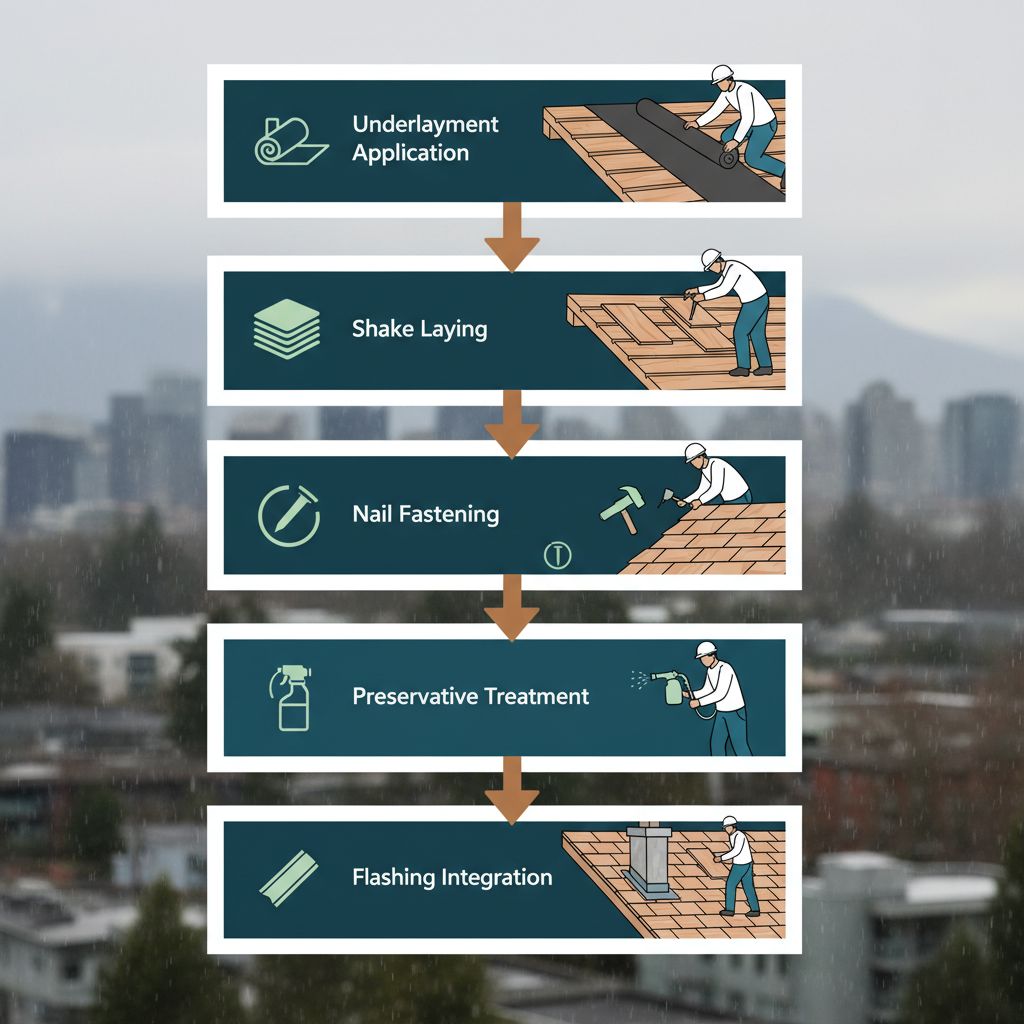
Step-by-step guide to cedar shake roofing installation process
This visual aids in understanding the layered approach that enhances airflow and weatherproofing, crucial for Vancouver’s frequent rains.
Treatment Methods for Durability
To combat British Columbia’s humid climate, cedar shakes require robust preservative treatments for wood roofs that prevent rot and fungal growth. We apply oil-based preservatives like copper naphthenate immediately after installation, penetrating the wood fibers to inhibit decay organisms. This treatment, often followed by semi-transparent stains, not only boosts UV resistance but also maintains the natural grain appearance.
Ongoing cedar shake maintenance involves biannual inspections to reapply coatings, especially after heavy winter exposure. For instance, penetrating sealants are brushed on every 3-5 years, extending lifespan to 30+ years when combined with proper ventilation. Unlike synthetic slate options from our services, which offer inherent weatherproofing without frequent upkeep, cedar demands these proactive steps but rewards with eco-friendly appeal.
In commercial applications, we schedule treatments during low-occupancy periods, ensuring minimal impact on operations. Safety considerations include using low-VOC products to protect workers and building occupants from fumes during application.
Integration with Existing Structures
Retrofitting cedar shakes onto various building types requires assessing structural load and aesthetic harmony. We evaluate roof pitch, ensuring slopes above 4:12 to facilitate drainage and prevent moisture accumulation. For multi-family units, common in Surrey and Burnaby, integration involves upgrading trusses if needed to support the material’s weight, around 3-4 pounds per square foot.
The following table outlines compatibility and challenges for different structures:
| Structure Type | Compatibility Level | Primary Integration Challenge |
|---|---|---|
| Residential Heritage | High | Ornate flashing matching |
| Multi-Family / Strata | High | Truss load reinforcement |
| Commercial Complex | Moderate | Large area ventilation |
Residential projects often proceed smoothly due to simpler access, while multi-family and commercial integrations benefit from our coordinated expertise, including temporary weather barriers. We address challenges through custom flashing and underlayment enhancements, drawing from NRCA standards for secure fastening—nailing into solid wood at least 1 inch above the butt line.
By leveraging decades of local experience, we ensure seamless adaptations that enhance property value without compromising existing infrastructure. This approach aligns with our commitment to protecting structures across the Lower Mainland.
As Trusted Roofing Contractor Across British Columbia, we handle these integrations with precision, focusing on long-term performance and client satisfaction.
Best Practices for Cedar Shake Roofing
Implementing cedar shake roofing in Vancouver, British Columbia, requires careful attention to sourcing, maintenance, and compliance to ensure longevity and performance in the region’s damp climate. We at Paragon Roofing BC draw on decades of local experience to guide property managers and homeowners toward durable solutions that align with commercial needs.
Sourcing and Supplier Selection
Sourcing high-quality materials forms the foundation of successful cedar shake roofing in Vancouver, British Columbia. Opt for certified suppliers in British Columbia that provide sustainably harvested western red cedar, known for its natural resistance to decay and insects. Local cedar suppliers in the Lower Mainland, such as those partnered with established roofing firms, ensure timely delivery and compliance with regional standards.
To select the right supplier, begin by verifying certifications from the Forest Stewardship Council and adherence to BC sourcing guidelines. Request samples to assess grain quality and thickness, typically 18-22 inches for premium shakes. We recommend reaching out to suppliers with proven track records in Metro Vancouver, where proximity reduces shipping costs and supports eco-friendly practices.
Benefits include enhanced durability against coastal moisture and potential cost savings through bulk purchasing from trusted local cedar suppliers. This approach minimizes risks of substandard materials that could lead to premature wear, ultimately protecting your investment in the Fraser Valley area.
Ongoing Maintenance Strategies
Effective cedar shake maintenance is essential for extending the lifespan of your roof amid British Columbia’s wet weather. Routine roof care protocols prevent issues like moss growth and rot, which are common in Vancouver’s humid environment. We offer seasonal maintenance plans tailored for strata properties, including free on-site inspections and detailed photo reports to track condition over time.
Key practices include annual visual checks for loose shakes or debris accumulation, followed by gentle cleaning to remove moss without damaging the wood. Apply preservative treatments every five years, focusing on oil-based stains that penetrate deeply for protection. For cleaning, use low-pressure washing biannually, avoiding harsh chemicals that strip natural oils.
The return on investment from proactive cedar shake maintenance is significant, often reducing repair costs by up to 30% over a decade. The following table outlines core practices:
| Task | Frequency | Key Objective |
|---|---|---|
| Visual Inspection | Annual | ID loose shakes/leaks |
| Moss Removal | Biannual | Prevent moisture trap |
| Stain/Sealer Reapplication | 3-5 Years | UV/Water barrier |
Implementing these steps ensures compliance with best practices while optimizing performance. Schedule professional assessments through our BBB A+ accredited services to maintain ventilation and avoid common pitfalls in cedar shake maintenance.
Compliance and Contractor Tips
Adhering to local regulations during cedar shake installation safeguards your property and ensures safety. In British Columbia, focus on fire-resistant treatments and proper underlayment as per the cedar shake building code, which requires offset joints of at least 40 mm between courses to prevent water infiltration. Ventilation standards mandate adequate airflow to combat moisture buildup in Vancouver’s climate.
Choose contractors with strata experience by reviewing portfolios and confirming WorkSafeBC coverage. We prioritize clear communication and manufacturer-compliant installations, providing proposals that detail scope and exclusions. Verify A+ BBB accreditation and request references from similar Lower Mainland projects.
Selecting experienced pros minimizes risks and supports long-term value. Our full-service capabilities, from inspections to warranty-backed work, help navigate codes efficiently, ensuring your cedar shake installation meets all requirements while aligning with budget goals.
Choosing Cedar Shake Roofing Solutions
Cedar shake roofing in Vancouver, British Columbia, stands out for its timeless appeal and natural resilience, offering property owners a blend of durability and aesthetic charm that enhances any structure in the Lower Mainland. At Paragon Roofing BC, we specialize in sustainable cedar solutions that withstand the region’s wet climate while elevating property values. Our expertise ensures that every project aligns with local building standards, providing long-lasting protection for residential and commercial buildings alike.
Key takeaways include the superior durability and beauty of cedar shakes, which require dedicated cedar shake maintenance to promote longevity and fire safety through regular treatments and inspections. Proper cedar shake installation, guided by the cedar shake installation code, guarantees optimal performance and compliance. For commercial properties, these features boost curb appeal and operational efficiency, making expert wood roofing care an investment in enduring quality.
We invite you to contact Paragon Roofing BC, your trusted roofing contractor across British Columbia, for a free on-site inspection and personalized quote. Our full-service commitment covers everything from sourcing to installation and ongoing maintenance plans, helping you protect your investment. Schedule today and discover how we can tailor cedar solutions to your needs.
Resources
- Get Comprehensive Roofing Materials and Services in Vancouver
- Discover Asphalt Shingle Installation and Repair Services Vancouver
- Explore Affordable Durable Asphalt Shingle Roofing for Vancouver
- Install Synthetic Slate Roofing for Weather-Resistant Vancouver Properties
- Schedule Tailored Roof Maintenance Plans for Vancouver Homes
- Choose Trusted Best Roofing Company in Vancouver
- Learn Optimal Roofing Materials Guide for Vancouver Climate
- Explore NRCA Guidelines on Steep-Slope Roofing Materials
- Understand BC Building Code for Cedar Shake Installation
- Learn Joint Offset Rules for Cedar Roof Shakes Code
Table of Contents
- Asphalt Shingles in Vancouver: An Overview for BC Homeowners
- Fundamentals of Asphalt Shingles for Canadian Climates
- Key Benefits of Asphalt Shingles for BC Properties
- The Installation Process for Asphalt Shingles in BC
- Best Practices for Asphalt Shingle Maintenance in Metro Vancouver
- Choosing Asphalt Shingles for Your Vancouver Home
Asphalt Shingles in Vancouver: An Overview for BC Homeowners
In the rainy climate of Vancouver, BC, asphalt shingles stand out as a reliable choice for homeowners seeking durable protection. These versatile roofing materials, made from fiberglass mats coated with asphalt and topped with mineral granules, offer affordability and ease of installation that make them popular across Canada. At Paragon Roofing BC, we see asphalt shingles in Vancouver, BC, as an ideal solution for residential properties facing frequent downpours and mild winters.
Asphalt shingles provide strong weather resistance and a variety of aesthetic options to complement local architecture. In BC conditions, they typically last 15 to 30 years with proper maintenance, addressing common concerns about BC shingle durability. Their layered design effectively sheds water, ensuring homes stay dry during heavy rains—a key reason they suit Vancouver’s unpredictable weather. As a trusted roofing contractor across British Columbia, we offer asphalt shingle services in Vancouver, including free on-site inspections to assess your needs.
This guide explores their benefits, asphalt shingle installation cost in Metro Vancouver, and asphalt shingles vs metal roofing for Vancouver asphalt roofing options. For instance, a Kitsilano home we serviced gained enhanced curb appeal and leak prevention through timely asphalt shingle replacement. Consider these factors to protect your investment in our region’s challenging environment.
Fundamentals of Asphalt Shingles for Canadian Climates
Asphalt shingles remain a top choice for roofing in Vancouver due to their balance of affordability and performance in wet, temperate conditions. We recommend considering these materials for their adaptability to British Columbia’s climate, where frequent rain and moderate temperatures demand reliable water resistance. For local installations and options, see asphalt shingle roofing in Vancouver. This section explores their composition, durability, and aesthetic appeal to help homeowners make informed choices.
Types and Composition of Asphalt Shingles
Asphalt shingles consist of a fiberglass mat as the core structural base, providing strength and flexibility. This mat is saturated with asphalt layers for waterproofing and durability, while protective granules embedded on the surface shield against ultraviolet rays and add color. In Vancouver shingle materials suited to BC weather, these granules often include ceramic coatings for enhanced algae resistance, crucial in the region’s humid environment.
Common types include 3-tab shingles, which offer a basic, uniform appearance at a lower cost; architectural or laminated shingles that provide a dimensional, textured look for better visual depth; and luxury or designer varieties with premium features like superior impact resistance. For instance, fiberglass-based options from reputable manufacturers align with North American standards for fire and wind performance, making them ideal for asphalt shingles in Vancouver, BC. We often see these used in Metro Vancouver homes to withstand coastal moisture without compromising integrity. Recyclability adds an environmental benefit, as many components can be repurposed post-service life.
Lifespan and Durability Factors in Vancouver
In the Lower Mainland, BC asphalt roofing lifespan typically ranges from 20 to 30 years, depending on quality installation and environmental exposure. Factors like UV radiation and persistent moisture significantly influence longevity, with field-aged shingles showing up to 50% reduction in tear strength due to weather shocks, as noted in Canadian research. Proper ventilation and underlayment further protect against ice dams and leaks common in rainy seasons.
Installation quality plays a key role; subpar work can halve expected durability, elevating asphalt shingle installation cost and repair needs. Compared to asphalt shingles vs metal roofing, asphalt offers easier pros like lower upfront expenses and simpler repairs, though it requires routine maintenance to combat granule loss from heavy rains. In Vancouver, algae-resistant varieties extend performance by preventing discoloration, ensuring homes in strata communities maintain value over decades.
Color Trends and Aesthetic Options
Current trends for 2024-2025 favor deep greys, classic blacks, and earthy tones like weathered wood or slate hues, which complement Vancouver’s modern and Craftsman-style homes. These neutral palettes highlight architectural details while blending seamlessly with the Pacific Northwest landscape. Energy-efficient choices, such as cool-roof shingles with high solar reflectance, reduce cooling needs in milder BC summers and may qualify for incentives.
Granules not only provide these colours but also bolster UV protection, enhancing overall resilience. For a Vancouver home example, a grey architectural shingle on a Kitsilano bungalow can mimic natural cedar while offering superior weather resistance. We advise selecting shades that harmonize with neighborhood aesthetics, using manufacturer tools for visualization to achieve lasting curb appeal.
Key Benefits of Asphalt Shingles for BC Properties
Asphalt shingles stand out as a reliable choice for properties across British Columbia, particularly in the rainy Lower Mainland. With our decades of experience serving Metro Vancouver homeowners and strata councils, we’ve witnessed how these materials deliver consistent performance against local weather challenges. They offer a balance of protection, affordability, and style that aligns with Canadian building standards, making them ideal for residential and multi-family applications.
Durability and Weather Resistance Advantages
In Vancouver’s frequent downpours and gusty winds, asphalt shingles provide robust defense through their layered construction of fiberglass mats, asphalt coatings, and mineral granules. These elements direct water away effectively, preventing leaks and structural damage common in the region’s temperate climate. Granule technology enhances resistance to algae and UV degradation, ensuring longevity of 20 to 30 years with proper care. Asphalt shingles in Vancouver, BC, excel here, as their flexibility absorbs thermal shifts without cracking, unlike rigid alternatives.
We’ve installed countless systems that withstand BC’s wet winters, reducing insurance claims from wind uplift. Compared to metal options, asphalt handles rain admirably while being lighter and easier to adapt to sloped roofs prevalent in the area. Homeowners often ask if asphalt shingles can handle BC rain, and the answer lies in their proven track record against moisture, supported by NRCA guidelines for ventilation to avoid buildup.
To help evaluate options, the following table offers a quick comparison of asphalt shingles versus metal and tile roofing, focusing on key homeowner priorities like cost and climate suitability in British Columbia. Data draws from NRCA guidelines and Canadian building standards for accurate local applicability.
| Benefit Category | Asphalt Shingles | Metal Roofing | Tile Roofing |
|---|---|---|---|
| Cost per Sq. Ft. (CAD) | $3-6 | $8-15 / 40+ Years | $10-20 / 50+ Years |
| Weather Resistance (BC Rain) | High – Algae-resistant options | Very High – Corrosion-resistant | High – But heavier |
| Maintenance | Low – Annual inspections | Very Low | Moderate – Cleaning needed |
This overview highlights why asphalt shingles often appeal for Vancouver properties, balancing upfront affordability with solid weather performance without the added weight concerns of tile. Metal roofing shines in longevity but demands specialized support, which may complicate retrofits on older homes. For most BC residents prioritizing resilience without excessive complexity, asphalt provides a practical edge.
Cost-Effectiveness and Aesthetic Appeal
Affordability drives many decisions in Metro Vancouver, where asphalt shingle installation cost ranges from $3 to $6 per square foot, offering strong value over a 20- to 30-year lifespan. This positions them as an accessible option for budget-conscious homeowners, far below metal’s higher initial outlay despite its durability. We’ve advised numerous clients on these savings, noting how asphalt’s lifecycle costs remain competitive, especially with energy-efficient variants that lower utility bills.
Aesthetic versatility further enhances their appeal, with styles mimicking slate or wood shakes in various colors to complement neighborhood aesthetics. This curb appeal boosts property values, a key consideration for strata properties. In comparisons like asphalt shingles vs metal roofing, asphalt wins for seamless integration on traditional BC homes, providing visual warmth without the industrial look of metal.
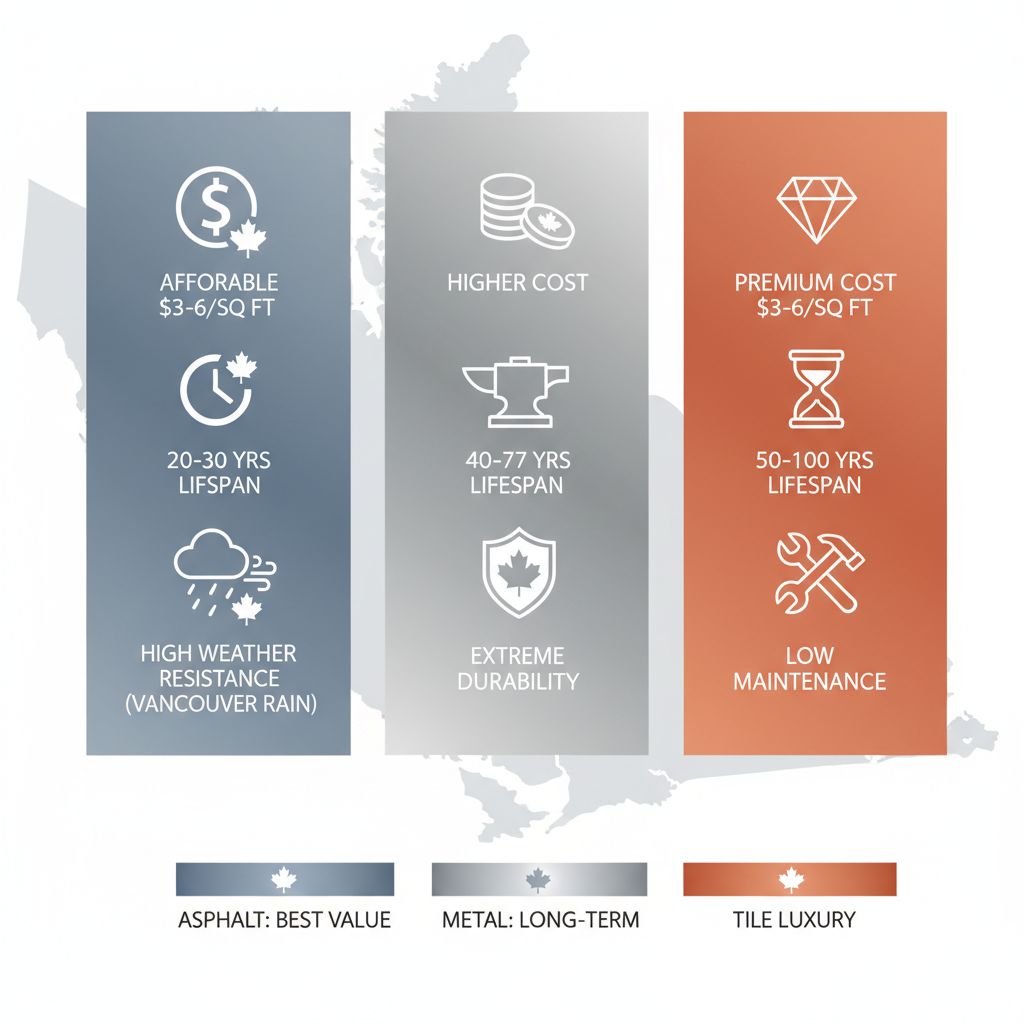
Key benefits of asphalt shingles versus metal and tile for BC homes
Such designs not only satisfy personal tastes but also align with local zoning for harmonious community appearances, making asphalt a versatile, economical choice.
Environmental and Maintenance Benefits
Sustainability matters in Canada, and modern asphalt shingles incorporate recycled content, reducing waste while meeting environmental regulations. Their reflectivity aids energy efficiency, cutting cooling needs in milder BC summers, as noted in ARMA resources. Recycling programs for old shingles further minimize landfill impact, appealing to eco-aware Lower Mainland residents.
Maintenance remains straightforward, with annual inspections sufficing to address minor issues like granule loss, per NRCA best practices. This low-effort approach suits busy homeowners, avoiding the frequent cleaning tile demands or metal’s potential condensation checks. We’ve seen how proper ventilation extends life, preventing mold in humid conditions.
For those weighing asphalt shingles vs metal roofing in Canada, asphalt’s ease of repair and lower environmental footprint during production make it suitable for sustainable builds. Vancouver shingle advantages include compliance with strata rules, offering peace of mind through warranties and simple upkeep. For a detailed overview, explore our asphalt shingles in Vancouver guide.
The Installation Process for Asphalt Shingles in BC
At Paragon Roofing BC, we specialize in delivering reliable asphalt shingle installations tailored to the unique demands of British Columbia’s climate. As a trusted roofing contractor across British Columbia, we ensure every project adheres to high standards, protecting your home while building your family’s future. This process highlights our expertise in handling wet conditions common in Vancouver, emphasizing preparation, precise techniques, and thorough checks to achieve perfection in roofing.
Preparation and Materials Needed
We begin every asphalt shingle project with a thorough site assessment, known as Vancouver roof prep, to evaluate the roof’s pitch, existing damage, and structural integrity. This step is crucial in BC’s rainy environment, where steep pitches help with water runoff, and any underlying issues must be addressed to prevent future leaks. Our team checks for rot or weak spots, ensuring the surface is clean and dry before proceeding.
Key materials include high-quality asphalt shingles designed for durability, fiberglass-based underlayment for added waterproofing, and galvanized nails for secure fastening. We also incorporate ice and water shields in vulnerable areas, adapting to local weather patterns. Tools required encompass hammers, utility knives, chalk lines, and safety gear like harnesses and ladders. Considering asphalt shingle installation cost, these essentials typically range from $5,000 to $12,000 for an average home, influenced by material grades and roof size. For asphalt shingles in Vancouver, BC, we select algae-resistant options to combat moisture-related growth, drawing from established standards to guarantee longevity without compromising aesthetics.
Step-by-Step Installation Techniques
Our BC shingle laying methods prioritize safety and precision, starting with installing the starter course along the eaves using adhesive-backed strips for immediate sealing against wind-driven rain. Next, we lay the first row of shingles, overlapping them by five inches and nailing them per the asphalt shingle roofing guide, with four nails per shingle positioned 1-2 inches from edges to enhance wind resistance. As we progress up the roof, field laying involves staggering joints to avoid water infiltration, a vital adaptation for BC’s frequent downpours.
Flashing installation at valleys and chimneys follows, using metal or compatible materials sealed with roofing cement. For ridge capping, we cut shingles into pieces and secure them with nails, ensuring full coverage. Compared to asphalt shingles vs metal roofing, our asphalt approach offers cost-effective flexibility for sloped roofs in humid climates, though metal excels in extreme durability. We always follow NRCA safety standards, using harnesses on steep pitches and avoiding common errors like improper nailing that could lead to premature failure. Professional execution is essential, as DIY attempts risk voiding warranties and safety hazards in our variable weather.
Post-Installation Checks and Adjustments
Following installation, we conduct comprehensive inspections to verify alignment, secure nailing, and proper sealing, focusing on Lower Mainland roofs exposed to heavy rains. Ventilation checks ensure adequate airflow through soffit and ridge vents, preventing moisture buildup that could shorten shingle life. Immediate weatherproofing involves applying sealants to exposed edges and testing for leaks with hose simulations.
Our team documents findings with photos, aligning with Paragon Roofing BC’s commitment to transparency. Adjustments might include adding extra underlayment or reinforcing weak points, all while adhering to WorkSafeBC guidelines. Regular post-install maintenance, like biannual inspections, helps sustain performance. We caution that while these steps provide robust protection, warranties vary by manufacturer—always review terms in your contract. By prioritizing these checks, we help homeowners avoid costly repairs and ensure long-term reliability in BC’s challenging conditions.
Best Practices for Asphalt Shingle Maintenance in Metro Vancouver
Maintaining asphalt shingles in Vancouver’s damp climate requires proactive steps to prevent premature wear from moss, heavy rain, and wind. At Paragon Roofing BC, we recommend tailored routines that extend roof life and avoid costly replacements. These practices build on proper installation by focusing on regular upkeep, ensuring your home stays protected year-round.
Routine Inspection and Cleaning Routines
We advise bi-annual inspections in spring and fall to catch issues early, aligning with BC’s rainy seasons and foliage growth. Start with a visual check from the ground using binoculars, looking for missing granules, curled edges, or soft spots. Climb safely with a ladder to assess shingles up close, checking for moss buildup common in Metro Vancouver shingle care. For cleaning, gently remove debris like leaves and branches with a soft brush to avoid damaging the surface.
Address algae and moss safely by applying a solution of water and household bleach, diluted at a 50:50 ratio, followed by a thorough rinse. Avoid high-pressure washing, which can strip protective granules. These BC maintenance routines, informed by roofing guidelines resources, include attic ventilation checks to reduce moisture—crucial in our humid environment. Why prioritize this? Studies from the National Research Council show that field-aged asphalt shingles in wet climates lose up to 50% tear strength without care, but regular cleaning preserves durability and meets building code standards.
- Clear gutters to ensure proper drainage.
- Inspect flashing around chimneys and vents.
- Document findings with photos for future reference.
By integrating asphalt shingles in Vancouver, BC, into these habits, homeowners extend roof lifespan by 10-15 years.
Repair Strategies for Common Issues
Common problems like leaks, granule loss, and wind damage demand prompt action in our windy coastal area. For minor leaks, identify the source by checking interior ceilings for stains, then seal small cracks with roofing cement applied via a caulking gun. Granule loss often signals aging; sweep loose particles and apply a shingle sealant to exposed areas, but monitor for widespread wear indicating full replacement.
Wind damage may lift tabs—secure them with roofing nails and sealant, ensuring overlaps match original installation. In Vancouver, we see more moss-related deterioration, so trim overhanging branches to minimize growth. Compare this to asphalt shingles vs metal roofing: while metal requires less frequent cleaning due to its durability, asphalt benefits from these targeted repairs to handle rain better without the higher upfront cost.
DIY suits small fixes, but we threshold professional help for anything above two layers or structural concerns, per Paragon’s seasonal plans. The National Research Council highlights that timely interventions can maintain tensile strength, preventing 50% reductions from weather exposure. Tips include using galvanized nails for wind-prone spots and ensuring proper attic airflow to curb condensation.
- Safety first—use harnesses on steep pitches.
- Match materials to avoid mismatches.
- Test seals after rain to verify effectiveness.
These strategies save on asphalt shingle installation cost long-term by averting escalation.
Long-Term Planning and Professional Tips
Plan for asphalt shingle lifespans of 20-30 years in BC’s climate, budgeting annually to cover inspections at $200-400 each. Factor in replacement costs influenced by roof size and access—consult us for precise quotes. We emphasize ventilation upgrades early, as poor airflow accelerates shingle curling in humid conditions.
Versus metal options, asphalt offers affordability for most Vancouver homes, but requires diligent upkeep; metal demands less but higher initial investment. Cost-saving tips: Join our seasonal maintenance plans for discounted checks, reducing emergency calls. When to call experts like Paragon Roofing BC? If inspections reveal over 20% damage or insurance claims arise—we provide free on-site assessments with photo reports.
Budgeting ties into asphalt shingle installation cost considerations; variables like material quality add premiums, but proper practices cut overall expenses by 30%. The Canadian Roofing Contractors Association data supports scheduling pro evaluations every five years to align with warranties.
- Review manufacturer guarantees annually.
- Save for reserves based on age assessments.
- Schedule consultations for ventilation audits.
We advise these steps to safeguard your investment proactively.
Several factors influence the overall expense of asphalt shingle projects in British Columbia, particularly in Metro Vancouver where labor and access play key roles. Understanding these helps homeowners allocate funds wisely, especially when tying maintenance into broader financial planning.
| Factor | Description | Average Cost Impact (CAD) |
|---|---|---|
| Roof Size | Larger roofs increase material needs | $5,000-10,000 for 1,500 sq ft |
| Material Quality | Architectural vs. 3-tab | +20-50% premium |
| Location/Access | Vancouver steep pitches or strata | +$1,000-3,000 labor |
This table, based on Canadian Roofing Contractors Association data adjusted for BC, illustrates how scale and specifics drive pricing. For instance, strata properties often incur extra labor due to access challenges in urban settings. Proper maintenance practices, as outlined earlier, significantly reduce long-term costs by extending shingle life and minimizing repair needs—potentially saving thousands over decades. We recommend consulting Paragon Roofing BC for personalized budgeting sessions to navigate these variables and ensure cost-effective decisions tailored to your property.
Choosing Asphalt Shingles for Your Vancouver Home
In summary, asphalt shingles in Vancouver, BC, offer a reliable and versatile option for homeowners seeking durable protection against the region’s frequent rain and variable weather. With a typical lifespan of 20 to 30 years when properly installed, these shingles excel in handling British Columbia’s wet climate while providing cost-effective solutions compared to alternatives. Key benefits include their ease of installation, energy efficiency, and aesthetic flexibility to complement various architectural styles. When weighing asphalt shingles vs metal roofing, asphalt stands out for its affordability and lighter weight, though metal may edge out in longevity for certain high-wind areas. Environmental considerations favor asphalt for its recyclability in sustainable BC roofing choices, though both materials minimize waste through long-term performance.
Budgeting for asphalt shingle installation cost in 2026 requires factoring in material quality and labor, often ranging from $5,000 to $12,000 for an average home, depending on roof size and complexity. Trends point toward impact-resistant varieties to combat hail and reduce insurance premiums. To ensure longevity, prioritize professional installation and regular maintenance, including annual inspections to catch issues early. Drawing from long-term studies on asphalt shingle durability in Canada, field-aged samples show up to 50% strength reduction over time, underscoring the value of quality materials and climate-adapted practices.
At Paragon Roofing BC, we’re committed to helping you evaluate Vancouver home shingle solutions through our free on-site inspections and detailed assessments. Contact us today to discuss your roofing needs and take the first step toward a secure, weather-resistant roof that protects your investment for years to come.
Resources
- Get Affordable Asphalt Shingle Services for Vancouver Properties
- Discover Asphalt Shingle Roofing Options in Vancouver Areas
- Explore Guide to Asphalt Shingles for Vancouver Climate
- Schedule Roof Inspections to Prevent Vancouver Water Damage
- Obtain Comprehensive Roof Inspections for Wet Vancouver Weather
- Expert Asphalt Shingle Installation Tailored for Vancouver Rain
- Find Post-Storm Roof Inspections for Vancouver Longevity
- Understand Asphalt Shingle Roofing Systems and Performance Standards
- Access Roofing Guidelines Resources for Maintenance and Repairs
- Learn Durability Insights on Aged Asphalt Shingles in Canada
- Explore Color Science in Asphalt Roofing for Aesthetic Appeal
- Compare Asphalt Shingles Versus Metal Roofing Alternatives
Table of Contents
- Exploring TPO Roofing in British Columbia
- What is TPO Roofing?
- Key Benefits of TPO Roofing for BC Properties
- How TPO Roofing Systems Function
- Best Practices for TPO Roofing Maintenance and Installation
- Maximizing TPO Roofing Performance in British Columbia
Exploring TPO Roofing in British Columbia
In the diverse climate of British Columbia, where heavy rains and coastal winds challenge building structures, TPO roofing in British Columbia emerges as a reliable solution for flat and low-slope roofs. Thermoplastic polyolefin, or TPO, is a single-ply flat roofing solution known for its durability and energy efficiency. As a thermoplastic membrane system, it forms a seamless, waterproof barrier that withstands UV exposure and temperature fluctuations common in regions like Vancouver, BC.
At Paragon Roofing BC, we bring decades of local experience as a trusted roofing contractor across British Columbia. Specializing in roofing materials services in Vancouver, we handle installations and maintenance for residential, commercial, and multi-family properties throughout the Lower Mainland. Our team offers free on-site inspections to assess your needs, ensuring TPO systems that resist moss growth and leaks while optimizing energy savings. When considering TPO vs PVC roofing, TPO stands out for its cost-effectiveness, with TPO roofing cost often providing better long-term value through reflectivity that reduces cooling demands.
This guide explores the fundamentals of TPO, its key benefits for BC’s weather, how these systems function, and best practices for installation and upkeep. From Vancouver’s flat-roof commercial buildings to Surrey homes, discover why TPO is ideal. What makes TPO roofing perform so effectively in our variable conditions?
What is TPO Roofing?
TPO roofing in British Columbia has become a go-to solution for protecting properties against the region’s persistent rainfall and variable temperatures. As a thermoplastic polyolefin membrane, TPO offers durability and energy efficiency, making it ideal for flat and low-slope roofs common in the Lower Mainland. We at Paragon Roofing BC have installed countless TPO systems, witnessing their resilience firsthand in areas like Coquitlam and Vancouver.
Definition: TPO Roofing
Thermoplastic Polyolefin (TPO) is a single-ply roofing membrane made from a blend of polypropylene and ethylene-propylene rubber, providing waterproofing and reflectivity for modern structures.
Composition and Materials
TPO membranes consist of advanced polymer blends designed for longevity in demanding climates. The core material combines polypropylene for strength with ethylene-propylene for flexibility, enhanced by UV stabilizers to resist sun damage prevalent in British Columbia’s coastal areas. A fleece backing adds reinforcement, preventing punctures from debris or foot traffic during maintenance. We recommend layers including a weather-resistant top coat and scrim reinforcement for added tear resistance.
- Top Layer: UV-stabilized polyolefin sheet for reflectivity and heat resistance.
- Reinforcement: Embedded polyester scrim for structural integrity.
- Backing: Fleece or fabric to improve adhesion and durability in wet conditions.
These thermoplastic flat roof membranes are welded at seams using hot-air technology, creating seamless, watertight bonds that withstand heavy downpours. In British Columbia’s wet climate, this composition ensures superior water shedding compared to older systems.
Thermoplastic basics highlight TPO’s heat-weldable nature, allowing installers to fuse sheets without adhesives, reducing leak risks. The TPO roofing systems standard from the Roofing Contractors Association of BC specifies minimum thicknesses of 60 mils for optimal performance, validating these specs for local installations.
| Feature | TPO Roofing | PVC Roofing |
|---|---|---|
| Energy Reflection | High reflectivity (up to 80%), cools buildings in summer | Good reflectivity but less consistent in wet climates |
| Durability | 20-30 years lifespan, resistant to BC rain and punctures | Similar lifespan but more prone to plasticizer leaching |
| Cost | $2.50-$4.50/sq ft installed in BC | $3.00-$5.00/sq ft, higher material costs |
This table underscores TPO’s advantages, particularly its UV resistance that combats the intense coastal sunlight while maintaining energy efficiency. In BC, where temperature swings are common, weldability prevents moisture ingress, and recyclability aligns with eco-conscious regulations, making polyolefin roofing solutions a smart choice for long-term value.
Applications in Flat Roofs
TPO excels in low-slope and flat roof applications, suitable for commercial buildings, strata properties, and residential structures in the Lower Mainland. Its lightweight design simplifies installation on existing roofs, minimizing structural load while providing excellent drainage through integrated scuppers and tapered insulation. We often integrate TPO with skylights and vents, ensuring compatibility via custom flashing that seals penetrations effectively.
In Coquitlam projects, such as multifamily complexes, TPO handles ponding water from frequent rains, with enhanced drainage adaptations like tapered panels directing flow to perimeter drains. For commercial warehouses in Vancouver, BC, it offers broad coverage up to 10,000 square feet per sheet, reducing seams and labor. Residential flat roofs on modern homes benefit from TPO’s seamless finish, compatible with green roofs or solar panels.
When comparing TPO vs PVC roofing, TPO stands out for cost-effectiveness and easier repairs in humid environments. Overall, TPO roofing cost remains competitive, averaging lower long-term expenses due to minimal maintenance needs in BC’s climate.
History and Evolution
TPO roofing emerged in the 1980s as an advancement over earlier single-ply systems, developed by chemical engineers seeking recyclable alternatives to bituminous materials. Initially popular in the U.S. for its energy-efficient white finish, it gained traction in Canada during the 1990s amid growing demand for sustainable roofing. In British Columbia, adoption accelerated in the early 2000s, driven by the need for systems resilient to seismic activity and heavy precipitation.
The Roofing Contractors Association of BC played a key role, establishing standards for TPO installations that emphasize wind uplift resistance and fire ratings suited to urban developments. Today, TPO represents over 40% of new flat roof projects in the province, evolving with innovations like self-adhering variants for faster application.
From our two decades of experience at Paragon Roofing BC, we’ve seen TPO transition from niche commercial use to widespread residential and strata applications in Surrey and Richmond. This evolution reflects its proven track record, with installations lasting 20-30 years under local conditions, backed by manufacturer warranties.
Key Benefits of TPO Roofing for BC Properties
TPO roofing in British Columbia offers significant advantages for flat-roof properties, particularly in regions like Vancouver and the Lower Mainland where weather challenges demand reliable protection. As a trusted roofing contractor across British Columbia, our installations demonstrate how this energy-efficient single-ply roof material delivers long-term value through reduced energy use, enhanced durability, and environmental benefits. Property owners benefit from its seamless integration with local building codes, ensuring compliance while minimizing maintenance needs.
Energy Efficiency and Cost Savings
One of the standout features of TPO roofing is its high reflectivity, which can reach up to 80% according to IIBEC guidelines on thermoplastic systems. This property reflects sunlight effectively, reducing heat absorption during BC’s warm summers and lowering cooling costs by up to 20% for commercial buildings in Vancouver. In our experience with local installations, this translates to substantial long-term ROI, especially when paired with proper insulation to meet BC Building Code standards.
The TPO roofing cost typically ranges from $2.50 to $4.50 per square foot installed in the Lower Mainland, as noted in regional conversion guides for flat roofs. This upfront investment pays off through energy savings and extended system life, often covered by 20- to 30-year warranties from manufacturers. For properties facing Vancouver’s frequent temperature fluctuations, these efficiencies help stabilize indoor climates without excessive reliance on HVAC systems.
Durability in Regional Climate
TPO roofing excels in the Lower Mainland’s climate, offering robust resistance to heavy rain, high winds, and intense UV exposure common in British Columbia. Its thermoplastic composition provides tear and puncture resistance, crucial for flat roofs prone to water pooling during Vancouver’s frequent storms. Drawing from thermoplastic roofing best practices, proper installation ensures seams withstand freeze-thaw cycles, preventing the leaks seen in less durable coverings.
Our installations in commercial sites around Surrey and Vancouver highlight TPO’s 20- to 30-year lifespan, even under snow loads mandated by the BC Building Code. Unlike traditional membranes, durable thermoplastic coverings require minimal maintenance, with features like reinforced edges holding up against wind gusts up to 90 km/h. This reliability translates to fewer disruptions for property managers, as evidenced by reduced repair needs in our multi-family projects.

Key benefits comparison of TPO vs PVC roofing for BC coastal properties
Environmental Advantages
TPO roofing supports green building initiatives in BC through its recyclability and low volatile organic compound (VOC) emissions, making it ideal for eco-conscious properties in Vancouver. At the end of its life, the material can be fully recycled, reducing landfill waste compared to non-recyclable alternatives. This aligns with provincial sustainability standards, as seen in our strata council projects emphasizing low-impact materials.
With minimal environmental footprint during production and installation, TPO contributes to LEED certification efforts for commercial buildings in the Lower Mainland. Its energy-efficient design further lowers overall carbon emissions by cutting cooling demands in summer. We prioritize these advantages in our services, ensuring installations meet IIBEC-recommended practices for long-term environmental performance.
- Recyclable thermoplastic construction minimizes waste.
- Low VOCs improve indoor air quality.
- Reflective surface reduces urban heat island effects in BC cities.
How TPO Roofing Systems Function
TPO roofing in British Columbia represents a reliable choice for flat and low-slope roofs, offering durability against the region’s variable weather patterns. As a trusted roofing contractor across British Columbia, we specialize in these seam-welded thermoplastic roofs to protect multi-family and commercial properties. Understanding the mechanics behind TPO systems reveals why they excel in longevity and energy efficiency for structures in Vancouver and the Lower Mainland.
Installation Process
Installing TPO membranes requires precision to ensure a watertight seal, particularly in British Columbia projects where rainfall demands robust performance. We begin with thorough roof preparation, including clearing debris and repairing the substrate to create a smooth surface. This step prevents imperfections that could compromise the membrane’s integrity.
Next, we roll out the TPO sheets, typically 60 to 80 mils thick, across the roof deck. Insulation layers, such as polyisocyanurate boards, are added beneath for thermal efficiency. The sheets are then secured mechanically or fully adhered, depending on the building’s design. Hot-air welding joins the seams, melting the material to form a monolithic barrier. This process, which we execute with specialized equipment, takes about 1-2 days for a standard multi-family roof in our strata projects.
Flashing details around edges and penetrations complete the application, using compatible adhesives. TPO roofing cost typically ranges from $2.50 to $4.50 per square foot, including materials and labor, though estimates depend on site specifics. We strongly advise against DIY attempts, as improper welding can lead to leaks; professional installation by experienced teams ensures compliance with local standards.
Performance Mechanisms
The performance of TPO systems hinges on their ability to handle thermal expansion and contraction, a critical factor in BC’s winters with freeze-thaw cycles. Made from thermoplastic polyolefin, these low-slope system mechanics allow the material to flex without cracking, unlike more rigid alternatives. We leverage this flexibility in our installations to maintain structural integrity over decades.
Hot-air welding creates seams stronger than the membrane itself, resisting water infiltration even under high winds common in coastal areas. The reflective white surface reduces heat absorption, lowering cooling demands in summer—a key advantage in energy-conscious British Columbia builds. For instance, in our Port Moody projects, these mechanisms have demonstrated up to 30-year lifespans with minimal maintenance.
Integration with insulation enhances R-value, promoting uniform temperature control. Analogous to a flexible skin over a building, TPO adapts to movements while providing a seamless shield against UV rays and ozone degradation. This resilience underscores why TPO outperforms in demanding climates, delivering cost savings through reduced repair needs.
Integration with Other Systems
TPO roofing seamlessly integrates with various building elements, ensuring compatibility in Lower Mainland roofs exposed to heavy precipitation. For skylights and vents, we apply pre-formed TPO flashing or custom heat-welded collars to create watertight seals around penetrations, preventing leaks at these vulnerable points.
Drainage systems pair effectively with TPO, where scuppers and internal drains are incorporated during installation to facilitate water runoff on flat surfaces. In multi-family settings, this setup aligns with ventilation requirements, allowing balanced airflow without compromising the membrane.
When considering TPO vs PVC roofing, TPO’s broader welding compatibility simplifies integration with metal edging or HVAC units, avoiding the chemical adhesives sometimes needed for PVC. Our roofing services in Port Moody exemplify this, with case studies showing efficient timelines of 2-3 days for full integrations in commercial strata properties. We maintain liability insurance and WorkSafeBC coverage to safeguard these complex installations, emphasizing professional oversight for optimal results.
Best Practices for TPO Roofing Maintenance and Installation
TPO roofing in British Columbia provides durable protection against the region’s variable weather, but proper installation and upkeep are essential for longevity. We recommend focusing on preventive strategies to address the unique challenges of rainy and temperate climates in areas like the Lower Mainland.
Routine Maintenance Guidelines
We advise bi-annual inspections for TPO roofing systems to ensure optimal performance. Start with clearing debris such as leaves and branches from the surface, which prevents ponding and reduces wear in British Columbia’s frequent rains. Check seams and flashings for cracks, using a soft brush and mild detergent for cleaning to maintain the membrane’s reflective properties.
For installation, ensure proper slope to facilitate drainage, integrating with existing gutters and vents to avoid water buildup. Unlike TPO vs PVC roofing, where PVC may require different chemical cleaners, TPO benefits from simple thermoplastic roof upkeep methods. We offer free on-site inspections at Paragon Roofing BC to assess your system’s condition and provide tailored advice. We also provide roofing services in Coquitlam.
Include these steps in your maintenance checklist:
- Inspect seams and penetrations quarterly.
- Remove debris after heavy storms.
- Test drainage paths annually.
- Document any changes for professional review.
The following table outlines the benefits of routine maintenance versus neglect:
| Action | With Maintenance | Without Maintenance |
|---|---|---|
| Lifespan | 25-30 years | 10-15 years |
| Leak Risks | Minimized through seam checks | High, especially at penetrations |
| Cost | Predictable low annual fees | Unexpected high repair costs |
Common Issues and Solutions
In Lower Mainland environments, TPO roofs often face issues like seam failures due to thermal expansion or punctures from falling branches. Shrinkage can cause wrinkling, while ponding from inadequate slope leads to accelerated aging. We suggest immediate attention to these to prevent leaks.
For seam repairs, clean the area thoroughly and apply a compatible patch kit following manufacturer guidelines. Punctures require cutting out damaged sections and sealing with heat-welded patches. As per RCABC TPO Roof Systems Standard, maintaining seam integrity through regular checks is crucial, as it states that proper adhesion prevents 80% of water intrusion risks.
Budget for repairs by considering TPO roofing cost factors, such as material at $5-8 per square foot plus labor. For example, a small puncture fix might run $200-500, but early detection via our free inspections in Abbotsford and surrounding areas avoids escalation. Always verify warranties, as they vary by manufacturer and product—check terms in your written contract.
Seasonal Care in BC
British Columbia’s seasons demand adaptive care for TPO roofs. In winter, protect against ice dams by ensuring clear gutters and applying anti-bridging membranes during installation. Heavy snow loads require shoveling with caution to avoid membrane tears; we recommend professional assistance for high-risk properties.
Summer brings intense UV exposure, so inspect for granule loss on ballasted systems and reapply protective coatings if needed. This maintains the roof’s white reflective surface, reducing cooling costs in warmer months. Integrate ventilation checks to control moisture, especially in humid coastal areas like Vancouver, BC.
For year-round protection, schedule seasonal walkthroughs. Our team at Paragon Roofing BC provides guidance on these practices, emphasizing estimates subject to on-site inspection. By following these tips, property owners in the Lower Mainland can enhance durability and avoid common pitfalls.
Maximizing TPO Roofing Performance in British Columbia
TPO roofing in British Columbia offers reliable thermoplastic solutions for flat and low-slope roofs, combining durability with energy efficiency tailored to the region’s wet climate. As a single-ply membrane, it provides excellent resistance to UV rays, punctures, and thermal expansion, making it ideal for coastal areas like the Lower Mainland. By recapping its core benefits, such as reduced energy costs through reflective properties and a lifespan of 20-30 years with proper care, we reinforce why this cost-effective flat roofing option stands out for British Columbia properties.
Key takeaways include proactive maintenance to address potential issues like seam failures or ponding water, ensuring long-term performance. When considering TPO vs PVC roofing, TPO often edges out in affordability and heat-welded seams for superior waterproofing, while TPO roofing cost per square foot typically ranges from $5 to $10, depending on project scope. In our experience serving Port Moody and surrounding neighborhoods, these systems align perfectly with local demands for sustainable, weather-resistant coverage.
At Paragon Roofing BC, we invite you to contact us for free on-site inspections to evaluate your roofing needs. Our warranty-backed approach, as a trusted roofing contractor across British Columbia, helps maximize your investment while protecting your home. Building your family’s future starts with perfection in roofing—reach out today for tailored solutions in Vancouver, BC, and beyond.
Resources
- Discover Comprehensive Roofing Materials Services in Vancouver
- Find Climate-Adapted Roofing Solutions for Port Moody Properties
- Explore Sustainable Roofing Installations and Maintenance in Coquitlam
- Obtain Reliable Roofing Services for Abbotsford Properties
- Learn Flat to Low-Slope Roof Conversion Pros and Cons
- Choose Trusted Top Roofing Company in Vancouver
- Get Multifamily Strata Roofing Services in Vancouver Area
- Understand TPO Roofing Systems Standards and Benefits
- Explore Best Practices for Thermoplastic Roofing Installation
Table of Contents
- The Essentials of Roof Maintenance in British Columbia
- Understanding Roof Maintenance Needs
- Benefits of Regular Roof Maintenance
- How Roof Maintenance Works
- Best Practices for Roof Maintenance
- Sustaining Your Roof in British Columbia
The Essentials of Roof Maintenance in British Columbia
In the rainy climate of Metro Vancouver and the British Columbia Lower Mainland, roof maintenance plays a vital role in safeguarding homes and properties from persistent downpours and seasonal shifts. At Paragon Roofing BC, we define roof maintenance as routine checks and minor repairs that extend your roof’s lifespan, preventing leaks and structural issues common in our region. Neglecting these essentials can lead to costly damages, especially during heavy rains that foster moss growth and water pooling.
Vancouver’s weather presents unique challenges, including relentless precipitation and winter ice that strain roofing systems. A local homeowner once faced a sudden leak during a stormy night because unchecked debris clogged their gutters, highlighting the risks of oversight. We recommend proactive roof winter preparation in Vancouver, such as regular roof inspection and gutter cleaning, to mitigate these threats. Our decades of local experience and BBB A+ accreditation ensure comprehensive services for residential, strata, and commercial properties, including free on-site inspections and seasonal maintenance plans backed by warranties. Studies show proper upkeep can extend roof life by up to 30 years, saving 10 times the cost of preventive care compared to emergency repairs.
As trusted roofing contractors across British Columbia, we guide you through understanding specific needs driven by local conditions, exploring benefits, processes, and best practices next.
Understanding Roof Maintenance Needs
In Metro Vancouver’s temperate yet challenging climate, marked by persistent rain and coastal humidity, roof maintenance plays a vital role in protecting properties from accelerated deterioration. We often see how these conditions foster issues like moss growth and water infiltration, making proactive care essential for homeowners and property managers alike. Understanding these dynamics helps prevent costly repairs and extends roof lifespan.
Vancouver’s Weather Impact on Roofs
Vancouver’s relentless rainfall, averaging over 1,200 mm annually, combined with occasional fierce winds and temperature swings, relentlessly tests roof durability, often leading to premature wear within just a few seasons.
Fall deluges in Metro Vancouver frequently overwhelm drainage systems, causing water pooling on roofs and promoting moss proliferation, especially on north-facing slopes where sunlight is limited. Wind gusts exceeding 60 km/h, common during winter storms, can loosen shingles and flashing, while spring thaws exacerbate ice dams in milder elevations, allowing meltwater to seep under materials and into the structure. Local examples abound: in heritage neighborhoods like Kitsilano, cedar shake roofs succumb to fungal decay from trapped moisture, and modern asphalt installations in East Van develop leaks from clogged valleys. These climatic pressures in British Columbia highlight the need for tailored roof upkeep strategies, as unchecked humidity fosters algae that erodes granule protection on shingles.
To mitigate, schedule bi-annual inspections to catch early signs of moisture retention.
Types of Roofs Requiring Specific Care
The humid environment of Metro Vancouver demands distinct approaches for common roof types, where heavy precipitation and mild winters amplify material-specific vulnerabilities, risking structural compromise if neglected.
Residential asphalt shingles, prevalent in single-family homes across the Lower Mainland, suffer granule loss from constant UV exposure and acid rain, leading to faster cracking in BC’s wet cycles. Flat commercial roofs, often using torch-on or TPO membranes in office buildings, face ponding issues from poor slope design, with humidity accelerating adhesive failures and seam separations. For strata properties in multi-family complexes, like condos in Surrey or Burnaby, shared cedar or synthetic slate roofs require coordinated care to address wind-driven debris and ventilation gaps that trap condensation. In our experience serving these diverse structures, coastal salt air further corrodes metal edges, while flat systems in industrial zones demand regular membrane checks to prevent blistering from thermal fluctuations.
Prioritize material-compatible climatic roof care, such as algae-resistant coatings for shingles, to enhance resilience.
Signs That Maintenance Is Overdue
Visible cues from Vancouver’s weather patterns, like persistent dampness and debris buildup, signal when roofs demand attention, prompting timely intervention to avert extensive damage.
Homeowners in British Columbia should watch for these indicators of overdue care:
- Granule loss on asphalt shingles, appearing as bald patches that expose the underlying material to UV degradation.
- Sagging sections or buckled areas, often from water saturation weakening the decking beneath.
- Missing or curling shingles, exacerbated by wind in areas like Burnaby, where roof maintenance in Burnaby addresses such common failures.
- Dark streaks or moss patches, indicating poor drying and potential rot.
- Clogged gutters causing overflows, a leading cause as poor drainage accounts for about 40% of roof issues per failure analyses.
We recommend calling professionals like us for a thorough roof inspection when multiple signs appear, especially post-storm, as our free photo reports provide clear documentation. Gutter cleaning in fall prevents ice dams, while bi-annual checks for strata and commercial roofs ensure compliance and safety. Early detection through these practices saves on repairs and maintains warranties.
By addressing weather impacts, roof types, and warning signs, effective maintenance in Vancouver fosters durable protection and peace of mind for all property types.
Benefits of Regular Roof Maintenance
At Paragon Roofing BC, we understand the critical role of roof maintenance in protecting properties across British Columbia’s challenging climate. Regular roof maintenance in Vancouver and the Lower Mainland not only shields homes and businesses from relentless rain and wind but also delivers substantial long-term value. By prioritizing proactive measures, homeowners and property managers can avoid unexpected disruptions and enjoy peace of mind.
Extending Roof Lifespan and Saving Costs
Routine roof maintenance extends the lifespan of roofing systems from a typical 20 years to potentially 50 or more, depending on materials like asphalt shingles or metal roofing. This benefit arises from addressing minor wear before it escalates into structural failures.
In the Lower Mainland, where annual precipitation exceeds 2,300 mm, unchecked issues like moss growth or clogged systems accelerate deterioration. For instance, a simple seasonal roof checklist in Burnaby can identify lifted shingles or debris buildup early, preventing costly water damage. Industry data shows that preventive care costs just 1% to 3% of the roof’s value annually, while ignoring it can lead to repairs 10 times more expensive—saving Lower Mainland homeowners over $5,000 on major fixes like full replacements. We help clients achieve sustained roofing health through our free on-site inspections, ensuring early detection via thorough roof inspections.
Enhancing Safety and Property Value
Well-maintained roofs significantly enhance safety by mitigating risks such as slips from moss or water intrusion leading to mold and structural instability. This proactive roof care reduces hazards for families and strata properties alike.
In BC’s competitive real estate market, leaks from neglected flashing or vents can cause hidden attic damage, devaluing homes by thousands during resale. A Vancouver study highlights how water pooling on flat roofs contributes to foundation issues if gutters remain uncleaned, but regular interventions prevent these. Property values rise by up to 10% with documented maintenance records, appealing to buyers in high-demand areas like the Lower Mainland. We support this through our gutter cleaning services, tailored for multi-family units, providing essential preventive roof maintenance services to avert issues like mold growth.
Environmental and Energy Efficiency Gains
Regular upkeep improves a roof’s insulation and ventilation, leading to notable energy efficiency gains and alignment with sustainable practices in Vancouver’s eco-conscious community. Better-sealed systems minimize heat loss during winters and reduce cooling needs in milder seasons.
Vancouver’s damp conditions exacerbate energy loss through poor attic ventilation, but maintenance like clearing vents can achieve up to 25% reduction in energy use, as noted by industry experts. For commercial clients, this translates to lower utility bills and a smaller carbon footprint, supporting green roofing initiatives. Trimming branches and removing algae preserve material integrity, enhancing overall sustainability. Our seasonal plans incorporate these elements, offering ventilation repairs and drainage solutions to optimize energy performance for residential and industrial properties.
In summary, the benefits of consistent roof care at Paragon Roofing BC extend far beyond immediate repairs, fostering longevity, safety, and efficiency in British Columbia’s demanding environment. Homeowners in Burnaby and Vancouver save on costs, boost property appeal, and contribute to environmental goals through simple steps like bi-annual roof inspections and gutter cleaning. Our evidence-based approach, backed by decades of local experience and free consultations, empowers clients to protect their investments. By choosing us, you invest in proactive roof care that delivers lasting returns, from avoided $5,000+ repairs to enhanced resale value and reduced energy consumption. We maintain liability insurance and WorkSafeBC coverage to ensure every project upholds the highest standards.
How Roof Maintenance Works
At Paragon Roofing BC, our roof maintenance in Vancouver and the Lower Mainland follows a structured approach tailored to the region’s wet climate and diverse property types. We emphasize proactive care to prevent issues like moss buildup and water damage, ensuring longevity for residential, commercial, and strata roofs. Our certified teams adhere to industry standards, integrating roofing guidelines maintenance for reliable results.
Step-by-Step Inspection Process
Our inspection process begins with a thorough arrival assessment at your property in areas like Port Moody or Vancouver. We start with a visual scan from the ground and ladder, checking for visible damage such as missing shingles, cracked flashing, or debris accumulation on slopes and flat surfaces.
Next, we ascend to the roof for a detailed roof inspection, examining granule loss on asphalt shingles, moss growth in humid spots, and seal integrity around vents and skylights. Attic checks follow, where we assess ventilation, insulation, and signs of leaks like water stains or mold. For commercial strata properties, we inspect low-slope membranes for ponding water risks. Throughout, we use digital tools for photo documentation, capturing high-resolution images of potential issues to create a comprehensive report. This systematic method, informed by NRCA standards, identifies hidden problems early, preventing failures as outlined in professional analysis guides.
Safety is paramount; always secure ladders and wear protective gear during any self-checks, but consult professionals for elevated access.
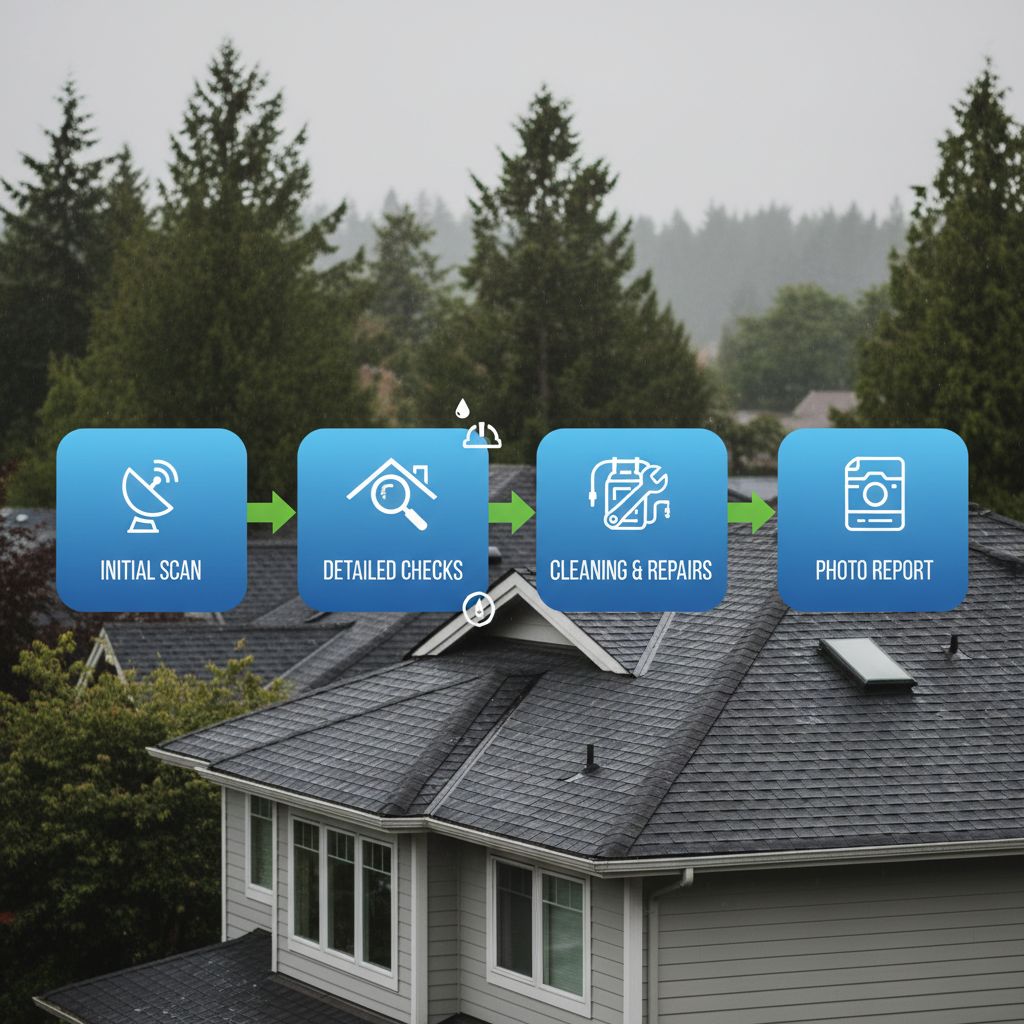
This visual aid reinforces our maintenance procedures, showing how inspections lead seamlessly into repairs, helping property owners in BC understand the full workflow.
Common Repair and Cleaning Techniques
Our roof servicing methods for cleaning start with gutter cleaning schedules twice yearly, using soft-brush tools and low-pressure rinsing to remove leaves and debris without damaging fascia in rainy Vancouver conditions.
For repairs, we employ targeted techniques like applying sealant to minor leaks on asphalt or cedar roofs, and pressure washing for moss removal on north-facing slopes common in the Lower Mainland. On flat roofs, we conduct membrane checks, patching low-slope areas with compatible adhesives to address ponding from heavy BC rains. Tools include zinc strips for moss prevention and infrared thermography for detecting hidden moisture in commercial setups. These hands-on approaches, drawn from Port Moody project experiences, align with NRCA recommendations to extend roof life and avoid failure escalation.
Tip: Schedule seasonal cleanings post-fall to mitigate winter ice dams, but avoid high-pressure methods that can strip protective granules.
Professional vs. DIY Approaches
Our professional services handle complex tasks like high-elevation repairs and flat roof maintenance for safety and precision, using certified equipment and teams insured under WorkSafeBC.
Homeowners can manage basic DIY approaches, such as ground-level debris clearing or simple gutter cleaning with extendable tools, but these suit only minor, accessible issues on single-family homes. For multi-family or industrial properties, our expertise ensures compliance with strata guidelines, addressing ventilation and drainage holistically. Professional involvement prevents errors that lead to failures, as analysis shows poor DIY attempts often worsen leaks or structural damage. We provide free on-site assessments to determine the best path, empowering you while highlighting when our full-service capabilities are essential.
Caution: DIY on steep or flat roofs risks falls; always call us for heights over one story or any leak detection to safeguard your investment.
Best Practices for Roof Maintenance
At Paragon Roofing BC, we emphasize proactive roof maintenance in Vancouver and across British Columbia to safeguard properties against the region’s relentless weather. Effective roof maintenance extends lifespan, prevents leaks, and reduces repair costs, especially in our wet climate. Drawing from decades of local experience, we recommend tailored strategies that align with Metro Vancouver’s challenges like heavy rainfall and occasional ice.
Seasonal Checklists for BC Weather
British Columbia’s diverse seasons demand specific actions to protect roofs from environmental stresses. In Vancouver, where heavy rain dominates, these checklists focus on prevention. We advise homeowners to adapt routines based on local patterns, such as frequent downpours and mild winters with ice risks.
- Spring: After winter melt, prioritize gutter cleaning to remove debris and prevent water buildup. Inspect shingles for wind damage and check flashing around chimneys for cracks. Clear moss from sloped surfaces to avoid moisture retention in our rainy springs.
- Summer: Examine for UV degradation on exposed materials; trim overhanging branches to reduce shade and mold. Ensure attic ventilation to combat heat buildup, tightening loose fasteners on metal edges.
- Fall: Remove fallen leaves through thorough gutter cleaning and sweep valleys to avoid blockages. Inspect ridges and hips for wear, preparing for wetter months ahead.
- Winter: Monitor for ice dams by clearing eaves; check for snow accumulation on flat areas. Insulate against condensation to prevent interior damage from our damp colds.
These steps, inspired by regional guidelines, promote optimal roof care. For safety, we recommend professional assistance for high-risk tasks.
Frequency and Professional Scheduling
Regular roof inspections are essential for long-term health, particularly in BC’s variable conditions. According to the NRCA roof maintenance manual, best practices suggest bi-annual professional evaluations—once in spring and fall—to catch issues early. We at Paragon Roofing BC align with this, recommending quarterly DIY visual scans supplemented by our expert visits.
Homeowners should schedule around seasonal transitions, booking ahead to avoid peak demand. Our preventive maintenance plans include free on-site inspections with detailed photo reports, covering everything from leak detection to ventilation checks. For rental properties, tenancy guidelines underscore the need for prompt reporting of issues, where landlords handle major upkeep—making our services ideal for coordinated care. Contact us at our Vancouver or Surrey offices to set up a customized schedule, ensuring compliance and peace of mind without overcommitting to unneeded work.
Tips for Different Roof Materials
The Lower Mainland features varied roofing types, each requiring distinct regional maintenance protocols. Asphalt shingles, common in residential settings, benefit from annual gentle cleaning to remove algae without harsh chemicals, preserving their granule layer against UV rays. We suggest eco-friendly moss treatments suited to our humid environment.
Metal roofs demand corrosion prevention through regular washing to clear salt and pollutants from coastal air; inspect seams for rust during dry spells. For flat roofs prevalent in commercial buildings, conduct membrane inspections bi-annually, focusing on ponding water after heavy rains—our TPO and torch-on solutions thrive with diligent drainage checks.
Across materials, integrate sustainable practices like green roof care for energy efficiency. These tailored approaches, backed by our full-service expertise, minimize wear and support warranties. Always consult professionals for material-specific assessments to maintain structural integrity in BC’s demanding weather.
Sustaining Your Roof in British Columbia
Maintaining your roof in British Columbia’s wet climate is essential for longevity and protection against moisture damage from frequent rains and storms. As we’ve explored throughout this guide, regular roof maintenance in areas like Metro Vancouver prevents small issues from escalating, saving homeowners significant costs on repairs. From seasonal inspections to addressing moss growth on asphalt shingles, these practices extend the life of durable options like metal or torch-on roofs, particularly in older Burnaby homes where freeze-thaw cycles accelerate wear.
We recommend twice-yearly checks—spring and fall—to assess winter damage and prepare for storms, as outlined in local building guidelines. For rental properties, understanding tenancy repairs maintenance in British Columbia ensures landlords handle major issues while tenants report concerns promptly. Schedule a free roof inspection with us today; our team covers residential, strata, and commercial needs across the Lower Mainland. Pair this with professional gutter cleaning to manage debris and water flow effectively.
Ongoing roof protection through sustained care plans builds resilience against BC’s challenging weather. Contact Paragon Roofing BC for expert support—let’s safeguard your investment for years to come and ensure lasting value.
Resources
- Prepare Vancouver Roofs for Winter with Seasonal Checklist
- Get Tailored Roof Maintenance Services in Burnaby
- Follow Burnaby Seasonal Roofing Checklist for Homeowners
- Explore Full-Service Roofing Solutions in Port Moody
- Implement Surrey Seasonal Roof Maintenance Checklist Guide
- Learn Essential Post-Installation Roof Care in Vancouver
- Schedule Regular Roof Inspections for Burnaby Homes
- Access NRCA Comprehensive Roofing Guidelines and Resources
- Utilize NRCA Roof Maintenance Manual for Professionals
- Understand BC Tenancy Repair and Maintenance Guidelines
- Discover Importance of Proactive Roof Maintenance Benefits
- Conduct Professional Roof Failure Analysis Guide
Table of Contents
- Addressing Roof Leaks in Vancouver’s Wet Climate
- Signs and Causes of Roof Leaks in Vancouver
- Advantages of Professional Roof Leak Repair
- Our Process for Roof Leak Repairs
- Maintenance Tips to Prevent Roof Leaks
- Secure Your Roof with Expert Repairs Today
Addressing Roof Leaks in Vancouver’s Wet Climate
Vancouver’s relentless rainfall and variable weather patterns make roof leak repair in Vancouver, British Columbia, an essential service for protecting homes and businesses. Our region’s frequent storms often lead to sudden leaks, exacerbated by moss growth, wind-driven rain, and freeze-thaw cycles that accelerate roof aging. At Paragon Roofing BC, we understand these local challenges intimately, having served the Lower Mainland for decades with reliable solutions.
As a BBB A+ accredited team, we offer full-service capabilities for residential, commercial, and multi-family properties, including emergency roof repair in Vancouver, British Columbia, and flat roof repair in Vancouver, British Columbia. Our offices in Vancouver and Surrey ensure quick access, including roofing services in West Vancouver, with average response times under 24 hours for urgent calls. We specialize in leaky roof fixes in the Lower Mainland, using premium materials and manufacturer-certified crews to deliver durable, warranty-backed results.
From identifying early signs of damage to comprehensive preventive maintenance, our services address everything from minor Vancouver-area roof patching to full replacements. Don’t let leaks escalate into costly structural issues—our free on-site inspections provide detailed photo reports to guide your next steps.
Contact us today for a no-obligation assessment and safeguard your property against the wet season ahead.
Signs and Causes of Roof Leaks in Vancouver
In the wet climate of Vancouver, British Columbia, homeowners often face challenges with roof integrity, making early detection crucial for roof leak repair in Vancouver, British Columbia. We at Paragon Roofing BC have inspected countless properties across the Lower Mainland, and we frequently encounter issues that start small but can escalate quickly if ignored. By recognizing signs early, you can avoid costly structural damage and ensure your home remains protected year-round. For deeper insights into understanding roof leaks, consider the common indicators we outline below.
Identifying Common Signs of Roof Leaks
Spotting a roof leak before it worsens requires attention to both exterior and interior clues, especially in our rainy region. We see this often in our inspections in areas like Surrey and Port Moody, where damp weather accelerates hidden problems. Key signs include:
- Water stains on ceilings or walls: These dark, discolored spots often appear in attics or upper rooms, indicating moisture infiltration from above. In Vancouver homes, they commonly show up after heavy downpours, signaling issues like damaged shingles.
- Damp insulation or musty odors: Insulation in the attic may feel wet to the touch or emit a moldy smell, a red flag for ongoing leaks that compromise air quality and energy efficiency.
- Granule loss in gutters: Look for excessive asphalt granules in downspouts, a telltale sign of aging shingles breaking down, particularly visible after storms in the Lower Mainland.
- Warped or curling shingles: On the roof surface, these distortions point to material fatigue, often accompanied by visible light through gaps during daylight inspections.
These indicators align with our Vancouver leak detection experiences, where early identification prevents broader issues like rot in wooden decks. Homeowners should perform visual checks post-rain to catch them promptly.
Local Weather Factors Contributing to Leaks
Vancouver’s temperate yet persistently wet climate plays a significant role in roof vulnerabilities, with heavy rainfall, strong winds, and high humidity driving many leak issues. British Columbia’s atmospheric rivers, for instance, deliver intense precipitation that tests even well-maintained roofs, as noted in our regional service insights.
- Heavy rain and flooding: Prolonged downpours overwhelm drainage systems, leading to pooling on flat or low-slope roofs and necessitating specialized flat roof repair in Vancouver, British Columbia. We often see water seeping through seams in built-up or TPO systems after such events.
- Wind damage to flashing and edges: Gusty coastal winds crack metal flashing around chimneys and vents, a common failure point accounting for a substantial portion of leaks in our inspections.
- Moss and algae growth: The humid conditions foster moss buildup on shingles and cedar shakes, trapping moisture and eroding materials over time. In hillside neighborhoods like those in Port Moody, this exacerbates decay, as our maintenance programs frequently address.
Clogged gutters from fallen leaves during fall storms compound these factors, causing water backup. Regular inspections help mitigate these weather-related risks, extending your roof’s lifespan in our challenging environment.
When to Call for Professional Assessment
Knowing when to transition from DIY checks to expert help is vital for safety and efficiency in the Lower Mainland. We recommend professional intervention if you notice multiple signs or suspect structural risks, offering free on-site inspections to provide clarity without obligation.
Consider these thresholds:
- Isolated minor signs: If you spot a single small stain without water damage, a temporary sealant might suffice, but monitor closely.
- Multiple or urgent indicators: Persistent dampness, visible roof gaps, or post-storm water entry signal the need for emergency roof repair in Vancouver, British Columbia. Delaying can lead to mold proliferation or weakened beams.
- Complex issues like moss or flat roof problems: These require specialized tools, such as thermal imaging for Lower Mainland roof diagnostics, which we employ during our assessments.
Our process starts with a thorough visual and hands-on evaluation, including photo reports to document findings. This approach helps you decide between repair and replacement, saving time and money in the long run. Early action not only halts damage but also enhances your home’s resilience, paving the way for sustained benefits like improved energy efficiency and peace of mind.
Advantages of Professional Roof Leak Repair
Choosing professional services for roof leak repair in Vancouver, British Columbia, delivers substantial value for homeowners and property managers across the Lower Mainland. Our team at Paragon Roofing BC addresses leaks promptly to safeguard your investment against the region’s relentless rain. By opting for expert intervention over DIY efforts, you unlock financial efficiencies, bolster safety, and ensure long-term durability tailored to our wet climate. These advantages demonstrate why professional leak fixes in BC outperform temporary patches, providing peace of mind and protecting property values.
Cost Savings from Timely Repairs
Timely roof repairs prevent minor leaks from escalating into major water damage, which can cost Vancouver homeowners over $10,000 in remediation alone. Water intrusion often leads to hidden issues like rot in wooden structures or compromised insulation, driving up expenses through repeated fixes. Our inspections identify problems early, averting these escalations and extending roof lifespan by years.
For rental properties, landlords benefit from compliance with tenancy repairs maintenance in British Columbia, where prompt action upholds tenant rights to safe living conditions. Tenants report issues in writing, and we facilitate quick resolutions to minimize disputes and vacancy losses. In one Vancouver strata project, our intervention saved a client thousands by halting moisture spread before it affected multiple units. Overall, investing in professional services yields a strong return, often recovering costs within the first year through avoided claims and preserved equity.
Enhanced Safety and Property Protection
Professional roof leak repairs significantly mitigate risks in Vancouver’s damp environment, starting with emergency roof repair in Vancouver, British Columbia. We respond swiftly to urgent calls, reducing slip hazards on slick surfaces and preventing falls during storms. Our technicians use specialized equipment to secure areas, ensuring safe access without disrupting daily life.
Beyond immediate dangers, our services prevent mold growth and structural weakening from prolonged exposure. In wet climates, untreated leaks can compromise beams and foundations, posing long-term threats to occupancy. By sealing vulnerabilities, we maintain indoor air quality and protect against health issues like respiratory problems from mildew. For commercial clients, this means minimal downtime—our repairs keep operations running smoothly, as evidenced by reduced business interruptions in past Lower Mainland cases. Property protection extends to strata and multi-family buildings, where we preserve communal integrity and avoid costly evacuations.
Our Local Expertise and Warranties
At Paragon Roofing BC, our decades of experience across the Lower Mainland equip us to handle diverse roofs, from sloped residential to flat roof repair in Vancouver, British Columbia, for commercial sites. As a BBB A+ accredited provider, we deliver reliable solutions using advanced tools for leak detection and sealing, including flashings and penetrations that withstand coastal weather. Our seasonal maintenance plans include regular inspections and minor adjustments, preventing issues before they arise and ensuring compliance with local standards.
We back every project with manufacturer warranties, varying by product—always review terms in your contract for full details. For instance, our flashing repairs on commercial flat roofs come with robust guarantees, as highlighted in our roofing penetration services, promoting longevity and reducing future calls. Vancouver repair advantages shine in our rapid response teams, available evenings and weekends, minimizing disruption for businesses and families alike.
A recent testimonial from a Surrey property manager notes how our intervention during heavy rains preserved their building’s value without operational halts. We maintain liability insurance and WorkSafeBC coverage for every job, with estimates subject to on-site confirmation to address any concealed damage transparently. To experience these benefits, contact us at 604-358-3436 for a free inspection and start protecting your home today.
Our Process for Roof Leak Repairs
At Paragon Roofing BC, we deliver a transparent and efficient process for roof leak repair in Vancouver, British Columbia, tailored to the region’s demanding weather. Our step-by-step leak fixes ensure minimal disruption, whether addressing urgent water intrusion or routine maintenance needs. From initial contact to final verification, we prioritize clear communication and high standards to protect properties across the Lower Mainland.
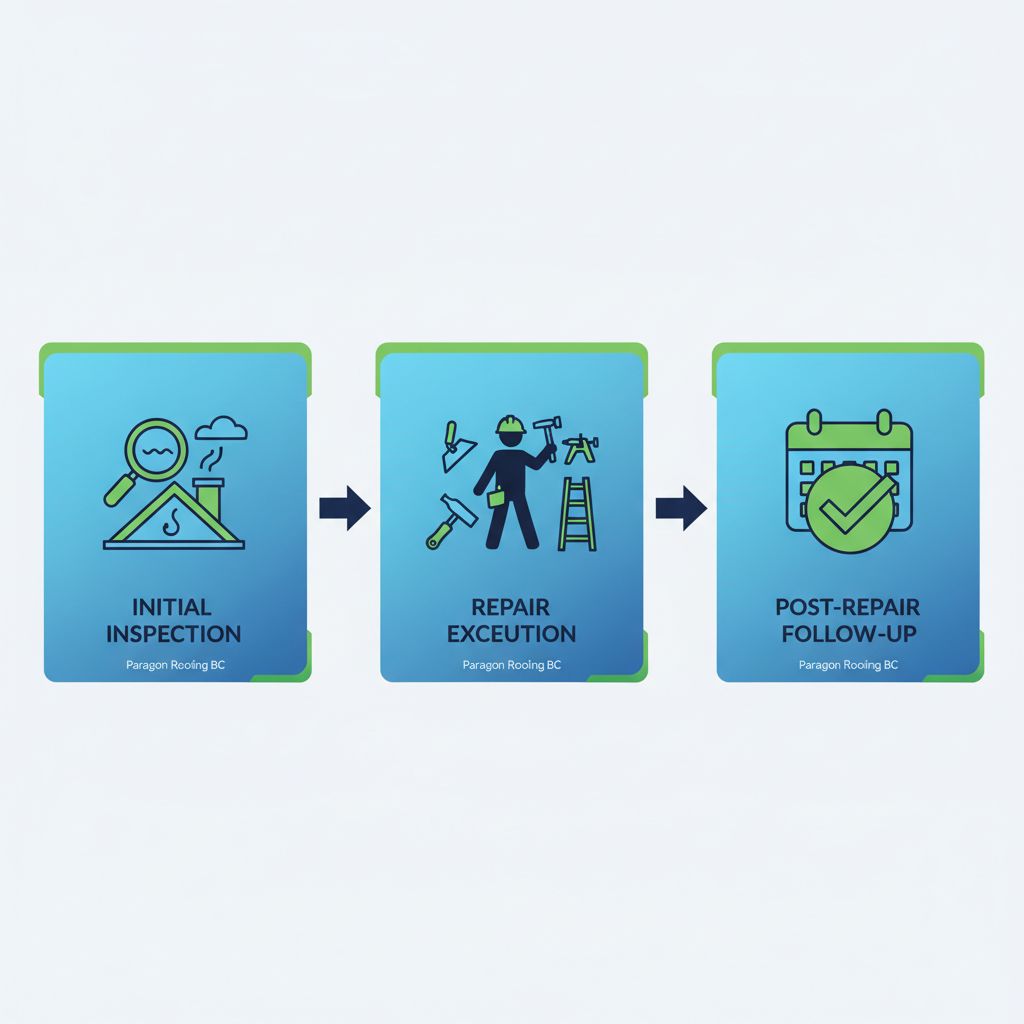
Three-step process for efficient roof leak repairs in Vancouver.
Initial Inspection and Diagnosis
We begin our Vancouver repair workflow with a prompt response to your inquiry. Our team is available 24/7 for emergency intake through phone or our online contact form, allowing you to report issues quickly from anywhere in the Lower Mainland.
- Schedule the Assessment: Upon contact, we arrange a free on-site inspection at your convenience, often within hours for urgent cases. This no-obligation visit lets us evaluate the leak’s scope without upfront costs.
- Conduct Thorough Diagnosis: Our licensed technicians, equipped with local expertise and adherence to industry best practices, perform a detailed examination. We use advanced tools to identify sources like damaged flashing or membrane failures, paying special attention to Vancouver’s moisture-heavy climate.
- Provide Photo Reports: Following the inspection, we deliver a comprehensive report with high-resolution photos and a clear explanation of findings. This transparency helps you understand the issue and next steps, drawing from guidelines in the rcabc technical updates for accurate leak detection.
This initial phase typically takes 30 to 60 minutes, setting the foundation for effective repairs while addressing common questions about minor roof leaks.
Repair Execution for Emergencies and Routines
Once diagnosed, we move to targeted repairs, distinguishing between emergency roof repair in Vancouver, British Columbia, and standard fixes to match your needs and BC’s variable weather challenges, such as heavy rains and wind.
For emergencies, like active leaks during storms, we mobilize same-day response teams to contain damage and prevent interior harm. Our process includes securing the area with tarps and temporary seals, then executing fixes using durable materials compliant with regional standards. In contrast, routine repairs follow scheduled timelines, often completing within one to two days for most residential properties.
Key techniques vary by damage extent: Minor leaks might involve resealing seams or replacing isolated shingles, while extensive issues require partial membrane replacement. For flat roof repair in Vancouver, British Columbia, we specialize in TPO systems, applying heat-welded seams for waterproof integrity, as recommended in RCABC guidelines for low-slope applications. Our WorkSafeBC-certified crew emphasizes safety protocols, including harnesses and fall protection, ensuring all work meets provincial codes.
Throughout, we provide pricing transparency via detailed quotes post-inspection, outlining costs based on materials and labor without hidden fees. This approach answers concerns about the cost of roof leak repair in the Lower Mainland, offering options from basic patches to comprehensive restorations.
Post-Repair Follow-Up and Warranty
Completing the repair marks the start of our commitment to longevity, with structured follow-up to verify performance and provide lasting protection for your Vancouver property.
We schedule a complimentary follow-up visit within 30 days, where our technicians inspect the work site for any settling issues or early wear, especially critical in our wet climate prone to moss and freeze-thaw cycles. This includes checking ventilation and drainage to prevent future leaks, aligning with best practices from Vancouver roofing resources that recommend regular monitoring.
Our maintenance checks extend roof lifespan—typically 20-30 years for common materials like asphalt or cedar—by addressing subtle vulnerabilities before they escalate. We also offer seasonal plans for proactive care, helping strata and homeowners in the Lower Mainland avoid costly emergencies.
Warranties vary by manufacturer and product; we provide full details in your contract, backed by our workmanship guarantee for one to five years depending on the scope. Check manufacturer terms for specifics, as small repairs generally do not void coverage if performed correctly. Estimates and final prices are subject to on-site confirmation, with any exclusions for concealed damage clearly stated.
This comprehensive post-repair support ensures peace of mind, transitioning seamlessly into ongoing best practices for roof health in British Columbia’s challenging environment.
Maintenance Tips to Prevent Roof Leaks
At Paragon Roofing BC, we understand the challenges of maintaining roofs in Vancouver’s relentless rainy climate. Proactive steps can significantly extend your roof’s lifespan and avoid the need for roof leak repair in Vancouver, British Columbia. By focusing on leak prevention in rainy BC, property owners in the Lower Mainland can protect their homes from water damage and costly emergencies.
Seasonal Inspection Routines
Vancouver’s wet weather demands regular vigilance to catch issues early. We recommend bi-annual inspections in spring and fall, aligning with the seasonal shifts that bring heavy rains and potential moss buildup. Start by examining flashing around chimneys, vents, and skylights, as these are common entry points for leaks. Check for cracks or loose sealant that could allow water intrusion.
Next, inspect vents and drains for blockages. According to RCABC Technical Updates, proper ventilation is essential for maintaining roof integrity and preventing condensation-related damage. Clear any debris like leaves or branches that accumulate, especially after atmospheric rivers. For flat roofs, ensure parapets and edges are secure to handle ponding water effectively.
Use a checklist for thoroughness:
- Visually scan for missing shingles or curling edges.
- Test gutters for proper flow to avoid overflow.
- Look for moss growth, which thrives in our damp conditions and erodes materials over time.
These routines, suited to Vancouver’s rainfall patterns, help identify problems before they escalate. Our free on-site inspections provide detailed photo reports to guide your maintenance efforts.
DIY Precautions and Pro Recommendations
While some maintenance for Vancouver roofs can be handled personally, safety always comes first. We advise against climbing onto wet or steep surfaces, as slips can lead to serious injury. For minor tasks, start with gutter cleaning using a ladder stabilizer and gloves to remove leaves and twigs quarterly. This simple habit prevents water backups that cause interior damage.
Safely clearing moss with a soft brush and mild solution works for accessible areas, but avoid pressure washing, which can strip protective granules from asphalt shingles. If you spot small cracks in sealant around vents, apply a compatible caulk as a temporary fix. However, for anything involving heights or structural concerns, contact professionals immediately to prevent the need for emergency roof repair in Vancouver, British Columbia.
We at Paragon Roofing BC specialize in comprehensive care, including roof penetration services in Vancouver for secure vent installations. Our blog on repair versus replacement highlights how timely pro interventions in our rainy climate can save thousands. Balance DIY with expert input: schedule our seasonal plans for hands-off protection, ensuring compliance with local standards without venturing into unsafe territory.
Long-Term Strategies for Durability
Investing in durable solutions sets your roof up for decades of reliable performance in British Columbia’s demanding environment. Choose materials suited to local conditions—asphalt shingles for cost-effective residential coverage, metal for longevity in coastal winds, and specialized membranes for flat roofs requiring flat roof repair in Vancouver, British Columbia. Proper underlayment and eave protection, as outlined in RCABC guidelines, enhance water resistance across all types.
Improve attic ventilation to combat moisture buildup, a frequent culprit in condensation leaks. We recommend balanced intake and exhaust systems during initial installations or upgrades, drawing from our expertise in ventilation repairs. Integrate ongoing habits like annual debris removal and sealant refreshes to maintain peak condition.
Paragon Roofing BC offers tailored maintenance plans that include quarterly checks, moss treatments, and priority service for Lower Mainland properties. These plans not only extend roof life but also tie into our full-service offerings, from gutter systems to chimney restorations. By partnering with us, you gain access to BBB A+ accredited pros with decades of local experience, ensuring your investment remains protected. Contact us today for a consultation and discover how our strategies can safeguard your home long-term.
Secure Your Roof with Expert Repairs Today
In summary, addressing roof leak repair in Vancouver, British Columbia, starts with recognizing early signs like water stains and sagging ceilings to prevent costly damage. Our streamlined process at Paragon Roofing BC—from thorough inspections to precise repairs—ensures minimal disruption and long-term protection for your property in the Lower Mainland. By choosing proactive maintenance, businesses and homeowners alike can avoid the pitfalls of neglected roofs exposed to our region’s relentless rains.
We stand by our unique selling points, including free on-site inspections and detailed photo reports that give you full transparency. Our 24/7 availability means we’re ready for commercial roof repair in Vancouver, emergency roof repair in Vancouver, British Columbia, or flat roof repair in Vancouver, British Columbia, whenever you need us. With decades of local experience and BBB A+ accreditation, we deliver warranty-backed solutions tailored to coastal challenges, helping you finalize your Vancouver roof solution for enduring peace of mind.
Contact us today to schedule your inspection and secure Lower Mainland leak protection before the next wet season arrives. Reach our Vancouver office at 997 Seymour St Suite 250, Vancouver BC V6B 3M1 or call 604-358-3436. For Surrey support, visit 12233 92 Avenue, Surrey BC V3V 7R9 or use our online form for a prompt response. Estimates are subject to on-site confirmation, but our team guarantees professional service to protect your investment.
Resources
- Get Professional Commercial Roof Repair in Vancouver
- Discover Reliable Roof Penetration Services in Vancouver
- Explore Durable Roofing Solutions for West Vancouver
- Learn Essential Vancouver Roofing FAQ Insights
- Obtain Quality Roofing Services in South Surrey
- Decide Optimal Roof Repair or Replacement in Vancouver
- Find Tailored Roofing Services for Port Moody
- Understand BC Tenancy Repairs and Maintenance Guidelines
- Explore Roof Leak Causes and Effective Solutions
- Access RCABC Technical Updates on Roofing Standards
Table of Contents
- The Importance of Roof Inspections in Vancouver
- Understanding Roof Inspections in Vancouver
- Benefits of Regular Roof Inspections
- How Roof Inspections Work in Practice
- Best Practices for Roof Inspections in BC
- Prioritizing Roof Inspections for Long-Term Protection
The Importance of Roof Inspections in Vancouver
In the rainy climate of Metro Vancouver, where heavy downpours and persistent moisture are the norm, a roof inspection in Vancouver, BC, is essential for safeguarding homes and buildings. The region’s relentless drizzle fosters moss growth, leaks, and wind damage that can compromise roof integrity over time. At Paragon Roofing BC, we have seen how these elements accelerate wear, as noted in local maintenance guides preparing roofs for the wet season, where unchecked issues lead to mold and structural weakening.
Neglecting regular inspections can result in costly repairs, insurance claim denials, and even safety hazards. For instance, a Vancouver homeowner recently discovered a hidden leak through our free on-site evaluation, preventing extensive interior damage just before winter. As a BBB A+ accredited provider with decades of experience across the Lower Mainland, we serve residential, multi-family, and commercial properties with detailed photo reports. This guide covers professional roof evaluation in the Lower Mainland, including expectations, frequency, benefits, processes, and best practices aligned with BC building codes. We also explore Vancouver-area roof assessments, such as the roof inspection checklist for pre-purchase checks in areas like Burnaby and Surrey, highlighting risks like curling shingles and attic moisture stains that homebuyers must verify to avoid surprises.
Whether you’re facing visible signs like granule buildup in gutters or simply seeking peace of mind, contact us at Paragon Roofing BC for roof inspections in Burnaby and beyond. Our expertise ensures your investment stays protected year-round.
Understanding Roof Inspections in Vancouver
At Paragon Roofing BC, we emphasize the importance of thorough roof inspections to safeguard properties against the relentless wet weather in Vancouver. With decades of local experience, we guide homeowners and property managers through this essential process, ensuring roofs withstand the region’s unique challenges like heavy rainfall and wind. Understanding these inspections empowers you to protect your investment proactively.
What to Expect During an Inspection
During a roof inspection in Vancouver, BC, expect a systematic evaluation tailored to local conditions. Our certified professionals arrive on-site equipped for a comprehensive assessment, typically lasting one to two hours depending on roof size and complexity. This process aligns with National Roofing Contractors Association (NRCA) standards, focusing on safety and detail.
The inspection begins with an exterior visual check from the ground and ladder, examining shingles for wear, flashing for corrosion, and gutters for clogs—common issues in our rainy climate. We then access the attic to inspect insulation, ventilation, and underside decking for moisture damage or rot. For steeper or multi-story roofs, we utilize drones to capture high-resolution images safely, avoiding risks while identifying hidden problems like loose cedar shakes often battered by coastal winds. A key component of this is following a roof inspection checklist in Delta, adapted for similar Lower Mainland properties, which includes verifying drainage efficiency and seal integrity. Residential inspections prioritize homeowner accessibility, while commercial ones incorporate scope for larger flat roofs under BC building codes. Homeowners should prepare by clearing yard debris and securing pets. We conclude with a detailed report, including photos and recommendations, highlighting any urgent repairs.
In Vancouver’s damp environment, this thorough approach prevents minor leaks from escalating, as statistics show over 70% of local roof failures stem from unchecked moisture accumulation. By demystifying the process, we build trust in our free on-site evaluations.
Inspection Frequency in BC’s Climate
We recommend bi-annual Vancouver roof evaluations for most properties, aligning with the Lower Mainland’s wet weather patterns that accelerate deterioration. Spring and fall inspections capture seasonal damage, such as winter ice damming or summer UV exposure on asphalt shingles.
For residential roofs, inspect every six months to monitor moss growth and granule loss, exacerbated by prolonged dampness—key factors in Vancouver where annual rainfall exceeds 1,200 mm. Commercial and multi-family buildings demand quarterly Lower Mainland roof checks due to higher foot traffic and exposure, complying with BC codes that mandate ventilation assessments to prevent mold. Factors like roof material influence frequency: cedar shake roofs, prone to wind damage here, benefit from annual professional reviews, while durable metal systems may suffice with semi-annual ones. Our seasonal maintenance plans incorporate these schedules, including gutter cleaning to mitigate water pooling. Neglecting this can shorten roof lifespan by up to 30%, per industry insights on regional climate impacts.
Adhering to this rhythm ensures compliance and longevity, particularly vital for strata properties in our humid coastal zone.
Recognizing Signs of Roof Issues
Homeowners in Metro Vancouver should watch for indicators signaling the need for a professional roof inspection, as early detection averts costly water damage in our rainy locale.
Visible cues include granule loss on shingles, creating bald patches that speed erosion; sagging sections pointing to structural weakening from rot; and curling edges on asphalt, common after heavy winds. Subtle interior signs like water stains on ceilings or musty attic odors suggest hidden leaks, with NRCA guidelines noting that 80% of such issues trace to poor flashing in wet climates. Moss or algae buildup, thriving in Vancouver’s moisture, erodes materials over time. For commercial roofs, persistent ponding after rain violates drainage codes and risks systemic failure.
- Granule loss or bald shingles: Indicates aging and vulnerability to leaks.
- Sagging or dips: Signals deck compromise, often from untreated moisture.
- Interior stains or damp spots: Early leak evidence requiring immediate attention.
- Damaged flashing around chimneys: Prone to failure in wind-driven rain.
- Moss proliferation: Accelerates decay in shaded, damp areas.
We advise scheduling upon noticing these, as roof inspection cost is minimal compared to repair expenses—typically under $300 for our no-obligation assessments. Addressing them promptly preserves property value in BC’s demanding weather.
Benefits of Regular Roof Inspections
At Paragon Roofing BC, we understand that regular roof repair or replace in Vancouver decisions often start with proactive inspections. A roof inspection in Vancouver, BC, stands as a cornerstone of property care, helping homeowners and managers safeguard their investments against the region’s relentless rains and winds. By catching issues early, these evaluations not only extend roof lifespan but also deliver substantial financial and safety advantages. Consider the pros of routine checks versus the risks of neglect:
- Pros of Inspected Roofs: Early detection prevents minor leaks from becoming structural damage; enhances energy efficiency by addressing ventilation gaps; ensures compliance with BC building codes for smoother insurance renewals.
- Cons of Uninspected Roofs: Accelerated wear leads to emergency repairs costing thousands; heightened liability in multi-family settings; potential resale value loss due to undisclosed defects.
This approach aligns with industry standards from the National Roofing Contractors Association (NRCA), which recommends annual maintenance to mitigate weather-related deterioration.
Longevity and Cost Savings for Properties
We prioritize regular roof maintenance evaluations to help properties in Metro Vancouver withstand BC’s demanding weather patterns. These proactive Vancouver roof checks identify vulnerabilities like deteriorating flashing or inadequate underlayment before they escalate, potentially extending a roof’s life by 5-10 years according to NRCA guidelines on maintenance frequency. For instance, a simple inspection might reveal moss accumulation common in rainy seasons, allowing us to recommend targeted treatments that prevent widespread granule loss on asphalt shingles.
The financial upside is clear when weighing roof inspection cost against future expenses. Early intervention often averts major overhauls; our clients in Surrey and beyond have saved up to 40% on repair bills by addressing issues spotted during free on-site assessments. We back these efforts with seasonal maintenance plans that include detailed photo reports, ensuring transparency and peace of mind. Tailored to residential and vacation properties, our services draw on decades of local experience to optimize durability without unnecessary outlays. As Vancouver’s climate intensifies, these steps protect your asset while aligning with our commitment to long-term performance.
Safety and Compliance for Commercial Buildings
For commercial and multi-family properties, roof inspections for commercial buildings represent a critical safeguard against operational disruptions and legal exposures. In Vancouver’s regulatory landscape, we help strata councils and industrial operators reduce risks by adhering to BC codes that mandate structural integrity checks. Our comprehensive roof inspection checklist covers essentials like edge securing, drainage systems, and ventilation, drawing from NRCA safety protocols to prevent falls and water ingress during heavy downpours.
Safety extends to liability mitigation; undetected leaks in high-rises can lead to mold growth affecting tenant health, while poor maintenance invites fines under local bylaws. We serve multi-family and industrial roofs with thorough evaluations that highlight compliance gaps, such as outdated flat roof membranes prone to ponding. Our BBB A+ accredited team provides warranty-backed solutions, including TPO and EPDM installations, to fortify these structures. By integrating these inspections into routine operations, clients avoid costly downtime and ensure occupant well-being, reflecting our full-service capabilities across the Lower Mainland.
Peace of Mind Before Property Purchases
Pre-purchase roof inspections offer invaluable assurance for Vancouver homebuyers and strata managers navigating the competitive real estate market. We address the importance of roof inspections before purchase by delivering detailed reports that uncover hidden issues, empowering informed negotiations and averting post-sale surprises. In areas like the Lower Mainland, where older homes often harbor ventilation deficiencies or cedar shake wear, our evaluations provide leverage to adjust offers based on projected repair needs.
This process aligns with NRCA recommendations for buyer due diligence, focusing on material condition and code adherence to protect insurance eligibility. For strata properties, our assessments detail communal roof health, helping managers budget for collective maintenance. Clients appreciate our free inspections, complete with photo documentation, which clarify roof inspection cost implications upfront. As trusted partners, we emphasize how these checks fit into broader property strategies, teasing the practical steps in our upcoming guide on seamless inspection processes. Ultimately, this foresight builds confidence in your investment amid Vancouver’s variable conditions.
How Roof Inspections Work in Practice
At Paragon Roofing BC, we conduct roof inspections in Vancouver, BC, with a focus on protecting properties from the region’s challenging wet climate. Our methodical process ensures homeowners identify potential issues early, preventing costly repairs. This section outlines the key elements of these assessments, from professional protocols to homeowner options and specialized equipment.
Key Steps in Professional Assessments
We begin a professional roof inspection with arrival at the site, where our team reviews any client concerns and assesses site-specific conditions like steep pitches common in Vancouver homes. Safety setup follows immediately, including harnessing up and securing ladders to comply with WorkSafeBC standards. Next comes the exterior walk, carefully examining shingles for wear, flashing around chimneys, and valleys for moss accumulation, which thrives in BC’s damp environment.
Interior checks involve attic access to evaluate ventilation per BC building codes, checking for moisture stains or inadequate insulation that could lead to rot in cedar shakes or asphalt roofs. For materials like asphalt shingles prevalent in Surrey, we probe for granule loss from heavy rains. The process concludes with report generation, providing detailed findings and recommendations tailored to seasonal factors, such as pre-winter checks for ice dam risks.
This structured approach aligns with NRCA best practices, offering a thorough evaluation that DIY methods often overlook.
DIY vs Professional Checklists
In the Lower Mainland’s rainy climate, a basic DIY roof inspection checklist can suffice for spotting obvious issues like loose shingles after a storm, but it falls short for hidden problems such as attic leaks or structural weaknesses. Homeowners might perform a ground-level visual scan or use binoculars for safety, noting curling edges on asphalt or moss on cedar. However, professionals are essential for comprehensive diagnostics, especially in wet conditions where undetected moisture accelerates damage.
The following table compares key aspects of self-performed checks versus expert services to guide Vancouver residents in deciding the best path forward.
| Aspect | DIY Inspection | Professional Inspection |
|---|---|---|
| Basic visual check from ground/ladder | Surface-level identification of obvious issues | High safety risks / Expertise ensures accurate assessments |
| Scope | Limited access | Full access including attic, flashing, and ventilation |
While DIY efforts provide a starting point, they carry significant safety risks on slippery, moss-covered roofs. At Paragon Roofing BC, we offer free on-site inspections with photo reports, ensuring accurate assessments without the hazards or limitations of self-checks. This service highlights the value of expert input, particularly for roof inspection cost savings through early detection.
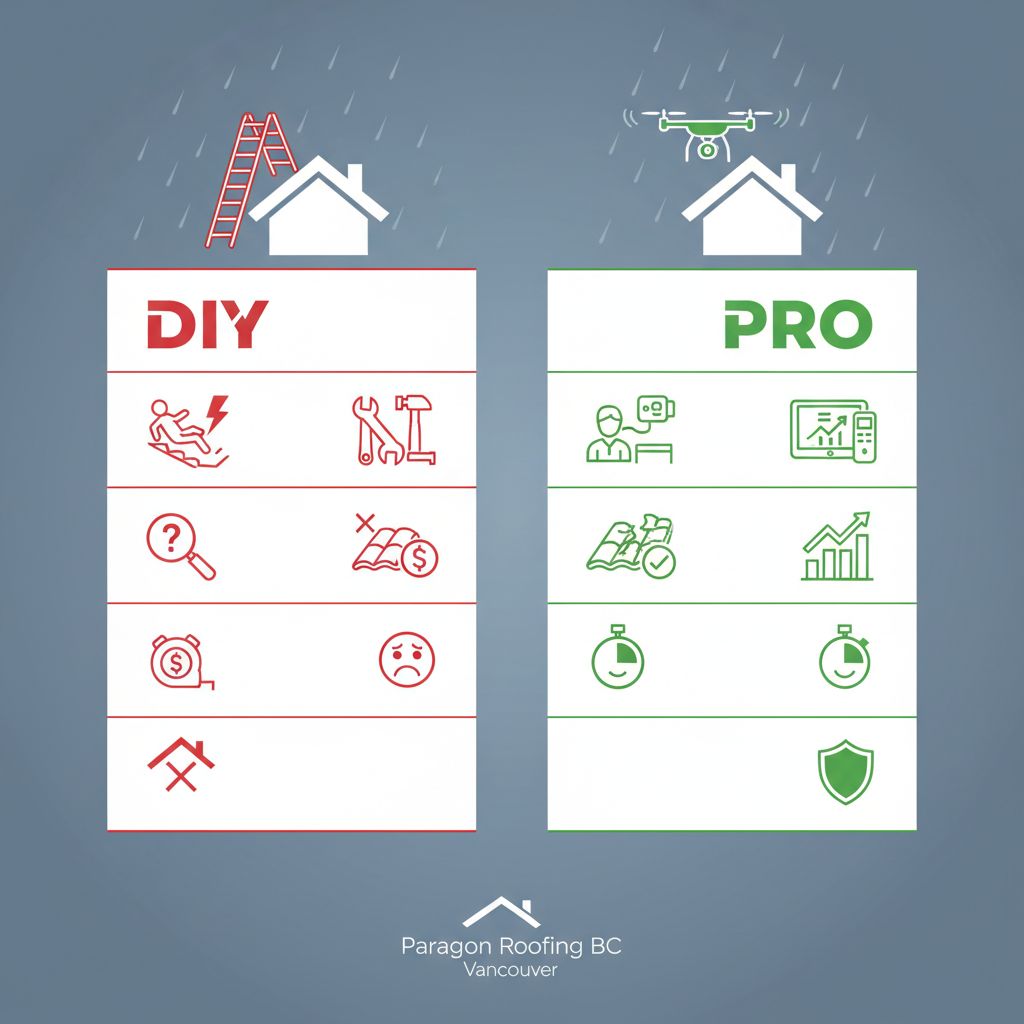
DIY vs professional roof inspection comparison in Vancouver
Expanding on these differences, professional evaluations incorporate local Delta-style checklists, adapting for Vancouver’s coastal winds and rain to deliver reliable insights.
Tools and Techniques Used
Our team employs advanced tools for detailed roof assessment protocols in Vancouver inspection procedures, ensuring precision across BC roof types like asphalt, cedar, and flat systems. Ladders and harnesses form the foundation for safe access, while moisture meters detect hidden water intrusion in cedar shakes prone to rot from persistent drizzle.
Drones provide aerial views of hard-to-reach areas, ideal for identifying granule buildup on asphalt shingles without risking falls. Thermal imaging reveals heat loss or leaks in flat roofs, aligning with NRCA guidelines for ventilation checks. For seasonal adaptations, we use infrared cameras during summer to spot ventilation deficiencies that exacerbate winter ice dams.
These techniques, drawn from professional guides, allow us to address common issues like algae growth efficiently, offering homeowners peace of mind through comprehensive roof inspection results.
Best Practices for Roof Inspections in BC
At Paragon Roofing BC, we prioritize thorough roof inspections to safeguard properties across Metro Vancouver and the Lower Mainland against the region’s relentless rains and winds. Incorporating a roof inspection in Vancouver, BC, into your maintenance routine ensures early detection of issues, extending roof life and preventing costly damages. We draw from decades of local expertise to share these best practices, emphasizing safety, timeliness, and value.
Cost Factors and Free Options
Understanding roof inspection cost in British Columbia starts with key influences like property size, roof complexity, and location accessibility. In Metro Vancouver, residential inspections typically range from $200 to $500, while commercial ones climb higher due to scale and regulatory needs for strata properties. Urgency, such as post-storm assessments, can add premiums, but proactive scheduling keeps expenses manageable. We at Paragon Roofing BC offer free initial on-site inspections and detailed photo reports for homeowners and businesses in areas like West Vancouver and Port Moody, eliminating upfront costs for eligible projects and allowing us to provide transparent quotes based on actual conditions.
Regional averages in Vancouver reflect these factors, with asphalt roofs often on the lower end due to straightforward access, while cedar variants require more handling. The following table breaks down typical costs:
| Roof Type | Residential Cost | Commercial Cost | Factors Influencing Price |
|---|---|---|---|
| Asphalt Shingles | $200-400 | $500+ for multi-unit | Accessibility, size, height, roof pitch |
| Cedar Shake | $300-500 | $600+ | Material handling, weather exposure |
| Flat/Low-Slope | $250-450 | $700+ | Specialized tools, flat roof access |
This breakdown highlights how material and access drive roof inspection cost variations, yet our free options deliver exceptional value without compromising thoroughness. By leveraging these no-cost assessments, clients in the Lower Mainland gain peace of mind and informed budgeting, aligning with NRCA guidelines for cost-effective maintenance.
Seasonal and Material-Specific Tips
Vancouver’s wet climate demands strategic timing for inspections, ideally in spring to prepare for summer sun and fall to brace for winter storms. We recommend a roof inspection checklist tailored to local conditions, including checks for moss buildup, granule loss, and flashing integrity. For asphalt shingles, prevalent in residential areas, focus on wind damage and algae stains during high-rainfall seasons; inspect edges and vents quarterly to maintain ventilation as per NRCA standards.
Cedar shake roofs, common in heritage neighborhoods like those in Port Moody, require material-specific care against moisture rot—treat with preservatives annually and examine for splitting after heavy winds. Flat roofs, often on commercial builds, benefit from drainage tests in fall to prevent ponding, using TPO or torch-on systems suited to coastal humidity. Our optimized inspection routines incorporate these tips, ensuring BC roof maintenance strategies address heavy precipitation and humidity for longevity.
Safety remains paramount; always use stable ladders and harnesses, or consult professionals for steep pitches. These practices, informed by our experience in West Vancouver’s diverse architectures, help prevent leaks and uphold warranty compliance.
When to Invest in Professional Services
In the Lower Mainland, DIY inspections suit basic visual checks, but professional involvement is essential for complex scenarios like post-storm evaluations or strata compliance audits. We advise turning to experts when spotting irregular wear, such as uneven shingle alignment or interior water stains, which signal underlying issues beyond surface-level fixes. For commercial properties, regulatory demands and safety risks make pros indispensable, especially on multi-unit structures.
Investing in our services proves worthwhile during high-risk periods, like after wind events in areas such as Burnaby or Surrey, where hidden damages could escalate. Following a professional roof inspection guide ensures accurate diagnostics and repairs, avoiding costly oversights. Our certified teams handle these with precision, providing BC roof maintenance strategies that prioritize durability against local weather extremes and deliver long-term savings through early intervention.
Prioritizing Roof Inspections for Long-Term Protection
Regular roof inspections play a vital role in protecting Vancouver properties from British Columbia’s relentless rain, wind, and occasional snow. As we’ve explored throughout this guide, prioritizing a roof inspection in Vancouver, BC early can uncover issues like moss buildup, granule loss, or flashing damage, as outlined in a standard roof inspection checklist. We recommend annual checks for most homes and more frequent assessments for commercial buildings, especially after severe weather, to maintain structural integrity and prevent minor problems from escalating.
The benefits extend far beyond immediate fixes. By identifying potential failures ahead of time, roof inspections lead to significant cost savings through timely repairs rather than full replacements, with average roof inspection costs proving a small investment compared to long-term damages. Enhanced safety for occupants and workers is another key advantage, ensuring your property remains secure against leaks and structural weaknesses. Our comprehensive services cater to residential, multi-family, and commercial needs, backed by decades of local experience and BBB A+ accreditation.
For sustained roof health strategies and effective Vancouver protection measures, we invite you to contact our team for a free initial assessment. Reach us at our Vancouver office at 997 Seymour St Suite 250, Vancouver BC V6B 3M1, or Surrey office at 12233 92 Avenue, Surrey BC V3V 7R9. Drawing from roofing guidelines resources, we also offer ongoing maintenance plans to keep your roof performing optimally year-round. Schedule today and experience peace of mind with Paragon Roofing BC.
Resources
- Schedule Expert Roof Inspections in Burnaby for Durability
- Discover Comprehensive Roof Inspection Checklist for Delta Buyers
- Decide Between Roof Repair or Replacement in Vancouver Climate
- Get Trusted Roofing Services in West Vancouver for Protection
- Obtain Professional Roofing Services in Port Moody for Longevity
- Find the Best Roofing Company in Vancouver for Reliability
- Prepare Vancouver Roofs for Winter with Seasonal Maintenance Checklist
- Conduct Comprehensive Roof Inspections to Detect Early Damage
- Explore Professional Roof Inspection Guide for Annual Checks
- Access NRCA Roofing Guidelines and Resources for Maintenance
Table of Contents
- Understanding Torch On Roofing in Vancouver
- Torch On Roofing Across Vancouver Areas
- Available Torch On Roofing Services in Vancouver
- Key Considerations for Torch On Roofing in British Columbia
- How to Begin with Torch On Roofing Projects in Vancouver
- Final Insights on Torch On Roofing in Vancouver
Understanding Torch On Roofing in Vancouver
In Vancouver’s persistently rainy climate, effective roofing solutions are essential for protecting properties from leaks and moisture damage. Torch on roofing in Vancouver has emerged as a reliable choice for flat and low-slope roofs common in residential, commercial, and multi-family buildings across British Columbia.
This torch-applied modified bitumen system uses propane flames to seal multiple layers, creating a seamless waterproof barrier. Modified bitumen flat roofing systems excel in the region’s wet weather, offering superior longevity and resistance to pooling water on urban structures like strata properties and commercial sites. Key advantages include enhanced waterproofing, durability against coastal winds, and reduced maintenance needs over time.
At Paragon Roofing BC, we specialize in torch on roof installation in Vancouver, providing free on-site inspections and transparent quotes to address torch on roofing cost in Vancouver upfront. As the best roofing company in Vancouver, our team ensures high-quality torch-applied membrane solutions tailored to local needs. Explore upcoming sections on regional applications, our services, key considerations, and how to start your project.
Torch On Roofing Across Vancouver Areas
Torch on roofing in Vancouver stands out as a reliable choice for flat and low-slope roofs, offering robust waterproofing ideal for the region’s frequent rains. We at Paragon Roofing BC deliver these solutions tailored to diverse local needs, from urban high-rises to suburban homes. This approach ensures durability against British Columbia’s variable weather, integrating seamlessly with features like skylights and drainage systems.
In Downtown Vancouver, torch on applications suit high-rise commercial and strata buildings, where urban density demands strong membranes to handle heavy rainfall and limited access. South Surrey sees more residential and vacation properties benefiting from low-slope installations on homes with skylights, supported by milder coastal conditions. The Lower Mainland mixes industrial and multi-use structures, applying large-scale flat roof coverings versatile for precipitation variations.
- Downtown Vancouver: Focus on multi-family flat roofs amid intense urban challenges.
- South Surrey: Emphasize vacation homes with enhanced ventilation needs.
- Lower Mainland: Prioritize commercial scalability and diverse drainage integrations.
Regional differences arise from geography and building density, influencing torch on roof installation in Vancouver. For instance, downtown sites require specialized access for heat-applied layers, while suburban areas allow easier material handling. Climate data from local guides highlights the need for rain-resistant membranes, with preparation tips like debris removal preventing winter leaks, as noted in Vancouver roof care resources.
The following table compares key factors for torch on roofing across major areas:
| Area | Typical Cost Range (per sq ft) | Common Applications | Climate Suitability |
|---|---|---|---|
| Downtown Vancouver | $12-18 | High-rise commercial and strata buildings | Excellent for heavy rain |
| South Surrey | $10-15 | Residential and vacation properties | Good for coastal winds |
| Lower Mainland | $11-16 | Industrial and mixed-use | Ideal for variable precipitation |
Data derived from local project estimates; costs approximate and vary by scope. Higher downtown rates reflect access complexities and premium materials, while South Surrey’s lower figures tie to suburban efficiency. Weather suitability underscores torch on roofing cost in Vancouver, balancing rain resistance with longevity in milder zones. These variations help property owners select appropriate flat roof membrane systems in the Lower Mainland.
Torch-applied roofing solutions regionally excel in waterproofing, reducing leak risks during rainy seasons as per BC climate insights. We serve these areas from our Vancouver and Surrey offices, providing roofing services in South Surrey and beyond for comprehensive installations.
Available Torch On Roofing Services in Vancouver
Torch on roofing in Vancouver offers a reliable solution for flat and low-slope roofs, particularly suited to the region’s wet climate and seismic considerations. Our teams at Paragon Roofing BC specialize in installation, repair, and maintenance services tailored for commercial, residential, and multi-family properties across the Lower Mainland. We adapt these modified bitumen systems to meet British Columbia building codes, ensuring durability against heavy rains and temperature fluctuations.
The torch on roof installation in Vancouver begins with thorough surface preparation to remove debris and old materials, creating a clean base. Next, we apply a base layer of modified bitumen membrane, followed by additional plies for reinforcement. Technicians then use a propane torch to heat and seal the layers, integrating features like skylights, vents, and gutters for seamless waterproofing. Safety is paramount during torch application, with our WorkSafeBC-trained professionals employing proper ventilation and fire prevention measures to minimize risks.
For repairs, our commercial roofing repair in Vancouver services use modified bitumen repair techniques to address leaks and damage through targeted patching and resealing, often identified during free on-site inspections. Maintenance plans include scheduled cleanings of drainage systems and protective coatings to extend roof life, preventing issues like UV degradation common in Vancouver’s weather. These proactive strategies, backed by manufacturer warranties, help avoid costly downtime for property owners.
In commercial applications, torch on roofing excels for strata and business buildings, providing robust flat roof service options that enhance energy efficiency. We handle everything from emergency fixes to full replacements, with torch on roofing cost in Vancouver varying based on project scale—typically competitive due to our efficient processes. Contact us for a no-obligation quote to protect your investment.
Key Considerations for Torch On Roofing in British Columbia
When evaluating torch on roofing in Vancouver, several key factors influence the decision for homeowners and property managers. As a trusted roofing contractor across British Columbia, we prioritize durable solutions that withstand the region’s demanding climate. Torch on membranes offer reliable protection for flat roofs, but understanding costs, regulations, and alternatives ensures the best choice.
Costs for torch on roofing in Vancouver typically range from $8 to $12 per square foot, including materials and labor. Membrane cost factors include the number of plies, roof size, and access challenges, with labor accounting for about 40% of the total. We provide detailed estimates after on-site inspections to align with your budget.
Compliance with building codes standards in British Columbia is essential for torch on roof installation in Vancouver, particularly for flat roofs requiring proper drainage and insulation per the BC Building Code. These regulations address snow loads and energy efficiency, preventing issues like water pooling. Compared to TPO, torch on provides superior durability in high-wind areas but requires skilled flame application, unlike TPO’s heat-welded seams. Asphalt shingles offer easier installation for sloped roofs yet lack the waterproofing strength of torch on for flat surfaces, making it ideal for leak-prone Vancouver structures.
Vancouver’s heavy rainfall and winds request vigilant seasonal maintenance, including leak detection via infrared scans. We recommend twice-yearly inspections to extend membrane life and mitigate the 25% rise in winter insurance claims from roof damage.
How to Begin with Torch On Roofing Projects in Vancouver
Starting a torch on roofing in Vancouver project requires careful planning to ensure durability and safety, especially for flat roofs in the Lower Mainland’s wet climate. We recommend beginning with initial roofing assessments to identify any underlying issues before committing to torch on roof installation in Vancouver.
- Request a Free Inspection: Contact us for a complimentary on-site evaluation. Our team provides detailed photo reports documenting roof conditions, helping you understand the scope for residential or commercial properties. This step, inspired by trusted practices in Vancouver roofing services, avoids surprises and aligns with local building standards.
- Evaluate Quotes and Prepare: Compare proposals based on project scope, materials, and torch on roofing cost in Vancouver, which varies by roof size and complexity. Clear debris and secure the area beforehand to facilitate smooth installation. We also suggest discussing post-install maintenance plans to extend your roof’s lifespan.
- Select Certified Professionals: Prioritize installers trained through the CERTA torch training program, which emphasizes fire-safe techniques and proper configuration for torch-applied systems. This certification ensures compliance and expertise for your project initiation for flat roofs.
By following these steps, you’ll initiate a reliable torch on roofing project tailored to Vancouver’s demands.
Final Insights on Torch On Roofing in Vancouver
We’ve explored the essentials of torch on roofing in Vancouver, recapping torch on roof installation in Vancouver processes, typical torch on roofing cost in Vancouver ranges, and advantages for BC’s demanding weather. These durable flat roof options provide long-lasting protection, addressing common concerns about flat roof solutions in the region.
NRCA PROCertification roofing upholds industry excellence, ensuring skilled installations that meet professional standards.
To move forward, we encourage scheduling a thorough inspection for your Vancouver property to confirm the best local membrane summaries and next steps.
Resources
- Discover Vancouver’s Best Roofing Company for Durable Solutions
- Get Expert Commercial Roofing Repair in Vancouver
- Explore Reliable Roofing Services in South Surrey
- Learn Flat Roof Conversion Benefits in Vancouver
- Access Strata Multifamily Roofing Solutions in Vancouver
- Secure Trusted Vancouver Roofing for Weather Protection
- Prepare Vancouver Roofs for Winter with Maintenance Tips
- Understand BC Building Codes for Safe Construction
- Complete CERTA Training for Safe Torch Roofing
- Earn NRCA PROCertification for Roofing Professionals
- Achieve Modified Bitumen Installer Certification Expertise
Table of Contents
- Asphalt Shingle Installation Essentials in Vancouver
- Overview of Asphalt Shingles in Vancouver Area
- Asphalt Shingle Service Availability in Vancouver
- Local Considerations for Asphalt Shingles in Vancouver
- Getting Started with Asphalt Shingle Projects in Vancouver
- Key Takeaways for Asphalt Shingle Roofing in Vancouver
Asphalt Shingle Installation Essentials in Vancouver
Vancouver’s rainy climate poses unique roofing challenges, from persistent moisture and moss growth to strong winds that test material resilience. Homeowners seek reliable solutions to protect their properties year-round. Asphalt shingle installation in Vancouver has become a go-to choice for its durability and affordability in these conditions.
At Paragon Roofing BC, we specialize in asphalt shingles that withstand the region’s wet weather, offering a lifespan of 20 to 30 years with proper care. Our asphalt shingle services in Vancouver include free inspections with photo reports, precise preparation like underlayment and flashing to prevent leaks, and BBB A+ accredited installations for residential homes. Professional expertise ensures wind uplift resistance and avoids DIY pitfalls such as improper nailing.
This guide explores local overviews, asphalt shingle installation cost in Vancouver, maintenance tips, asphalt shingle repair in Vancouver, and connecting with certified contractors for your Vancouver asphalt roofing setup.
Overview of Asphalt Shingles in Vancouver Area
Asphalt shingles remain a popular choice for residential roofing in the Vancouver area due to their affordability and adaptability to the region’s frequent rain and mild winters. At Paragon Roofing BC, we recommend asphalt shingles in Vancouver guide for homeowners seeking reliable protection. Proper asphalt shingle installation in Vancouver ensures longevity, typically 20-30 years with quality work, as supported by local climate data.
Vancouver’s humid environment demands versatile asphalt shingle options. Three-tab shingles offer a basic, uniform look with standard cutouts for straightforward coverage. Architectural shingles, laminated and thicker, provide dimensional appeal and enhanced strength against wind and moisture. Premium or luxury shingles feature advanced granule coatings for superior algae resistance and aesthetic variety, mimicking higher-end materials while maintaining cost-effectiveness. These types balance style, performance, and budget for Lower Mainland homes.
Selecting the right shingle type matters in Vancouver, where wet conditions accelerate wear. The following table compares common options based on durability, pricing, and features tailored to our coastal climate, drawing from NRCA standards and 2024 local averages.
| Shingle Type | Durability (Years) | Cost per Square (CAD) | Key Features for Vancouver | Best For |
|---|---|---|---|---|
| 3-Tab Shingles (Standard cut) | 20-30 | $100-150 | Wind resistance up to 110 mph; basic algae protection | Budget homes |
| Architectural Shingles (Laminated, thicker) | 30-50 | $150-250 | Impact-resistant; better moss/UV protection for rainy areas | Standard Vancouver homes |
| Luxury/Designer Shingles (Premium laminate) | 40+ | $250+ | Algae-resistant granules; superior wind/impact ratings for coastal exposure | Strata and vacation homes |
Data sourced from NRCA guidelines and local Vancouver pricing averages for 2024; consult professionals for exact quotes.
Architectural shingles strike an ideal balance for most Vancouver residences, offering robust protection against moss and heavy rain without excessive costs. Budget options like 3-tab suit entry-level needs, while luxury variants excel in high-exposure areas. We at Paragon Roofing BC provide free on-site inspections to evaluate which type fits your home’s slope and ventilation, helping optimize asphalt shingle installation cost in Vancouver.

Comparison of asphalt shingle options for Vancouver area homes
Installation basics follow Vancouver shingle roofing methods, starting with starter strips along eaves for secure basing. We use precise nailing patterns, typically six nails per shingle, to meet wind codes up to 110 mph. Ridge capping seals peaks against leaks, while enhanced underlayment prevents moisture intrusion in our rainy locale. For asphalt shingle repair in Vancouver, we address issues like granule loss early to extend lifespan.
Local adaptations emphasize ventilation to combat humidity, adding ridge vents for airflow that can extend shingle life by 3-7 years per NRCA insights. Coastal winds require reinforced sealing, and we tailor applications to comply with building codes, ensuring durable results through our expertise across the Lower Mainland.
Asphalt Shingle Service Availability in Vancouver
At Paragon Roofing BC, we offer comprehensive asphalt shingle roofing in Vancouver tailored to the needs of homeowners and property managers across Metro Vancouver. Our asphalt shingle installation in Vancouver ensures durable protection against the region’s frequent rains, with services that include full roof removal, precise installation of strip, dimensional, or luxury shingles, and optional overlays after professional assessment. We handle complete replacements, integrating solutions like TPO for enhanced performance where needed. Installation timelines typically range from one day for smaller residential projects to a week for larger ones, depending on weather and scope. The asphalt shingle installation cost in Vancouver varies by shingle type and customization, averaging affordable rates that make this a practical choice for local budgets; factors like roof size and pitch influence final pricing, which we detail during free on-site inspections.
For asphalt shingle repair in Vancouver, we address leaks, storm damage, and wear through targeted fixes such as replacing individual shingles or securing flashing. Our maintenance programs feature biannual inspections in spring and fall to clear moss and debris, preventing escalation of issues in our wet climate. Annual inspections can extend shingle life by up to 10 years, as supported by our proactive care approach. We also provide cleaning services and minor sealant applications around vents and chimneys, ensuring long-term reliability for residential and multi-family properties.
With offices in Vancouver and Surrey, we cover the entire Lower Mainland, including strata and multi-family units, delivering rapid response times; often within 24-48 hours for urgent calls. Following a recent storm in East Vancouver, our team swiftly repaired shingle damage for a local family, restoring their home’s integrity before further rains arrived.
Our asphalt shingle services integrate seamlessly with drainage solutions like gutters and soffits, enhancing overall roof performance. As a trusted roofing contractor across British Columbia, we back our work with manufacturer warranties and our commitment to quality, protecting your home through every season.
Local Considerations for Asphalt Shingles in Vancouver
Asphalt shingle installation in Vancouver demands attention to the region’s unique climate, where heavy rainfall and mild winters pose distinct challenges. At Paragon Roofing BC, we prioritize resilient solutions tailored to the Lower Mainland’s environment, ensuring long-term protection for homeowners facing frequent downpours and potential seismic events.
Vancouver’s wet climate accelerates moss growth and moisture buildup, risking shingle degradation. Proper attic ventilation, as outlined in roofing guidelines resources, reduces moisture by up to 50 percent, preventing rot and extending roof life. For local weatherproofing, we recommend algae-resistant shingles and regular inspections to mitigate these issues, especially during El Niño seasons with intensified rains.
Adhering to BC Building Code, our installations feature code-compliant nailing patterns for seismic stability, drawing from RCABC technical updates, and enhanced flashing around valleys to combat leaks. These measures not only boost durability but also influence asphalt shingle installation cost in Vancouver by minimizing future callbacks. Ventilation needs are critical for rain resistance, with strategic soffit and ridge vents promoting airflow.
Maintenance integrates seamlessly into our approach, offering seasonal checks to avoid winter installation delays and address wind damage early. For asphalt shingle repair in Vancouver, we focus on prompt interventions for leaks caused by storm debris, using moss control strategies from RCABC FAQs like zinc strips to inhibit growth without harsh chemicals.
These Vancouver climate shingle tips empower informed decisions, blending code expertise with practical prevention for enduring results.
Getting Started with Asphalt Shingle Projects in Vancouver
Embarking on asphalt shingle installation in Vancouver requires careful planning to ensure durability and compliance with local standards. At Paragon Roofing BC, we streamline the process for homeowners in the Lower Mainland, starting with a free on-site inspection. To begin, contact us to schedule a visit where our experts assess your roof’s condition, including any visible damage or wear. We provide detailed photo reports to help you visualize issues, influencing factors like asphalt shingle installation cost in Vancouver, which typically ranges from material quality to roof pitch and accessibility.
Next, our Vancouver quote process delivers transparent estimates within 48 hours, covering labor, supplies, and timelines. For contractor selection, verify certified professionals through the roofing contractors directory in British Columbia offered by the Roofing Contractors Association of BC. We recommend A+ rated RCABC members for quality assurance, as they adhere to industry standards and provide reliable asphalt shingle repair in Vancouver. Our team, with decades of local experience, ensures BBB A+ accredited service tailored to your needs.
Preparation involves securing necessary permits from the City of Vancouver and clearing the site for safe access. We guide you through timelines, often completing projects in 1-2 weeks depending on weather. Gather preliminary roof photos to expedite the initial consultation.
Finally, decide on asphalt shingle repair in Vancouver versus full replacement based on damage extent; minor leaks may warrant repairs, while over 20% deterioration signals replacement for longevity.
Key Takeaways for Asphalt Shingle Roofing in Vancouver
For asphalt shingle installation in Vancouver, select fiberglass varieties meeting ASTM D3462 standards for optimal performance in our rainy climate, as outlined in the roofing materials overview. Prioritize certified installers to ensure durability and warranty coverage. Regular seasonal checks save on asphalt shingle installation cost in Vancouver and prevent costly asphalt shingle repair in Vancouver. We at Paragon Roofing BC offer expert services with free inspections across the Lower Mainland—contact us today to protect your home.
Resources
- Get Expert Asphalt Shingle Roofing Services Vancouver
- Discover Durable Asphalt Shingle Installation Vancouver
- Learn Practical Guide to Asphalt Shingles Vancouver
- Explore Diverse Roofing Materials Services Vancouver
- Obtain Reliable Roof Maintenance Services Vancouver
- Understand Asphalt Shingle Lifespan in Vancouver
- Compare Asphalt vs Metal Roofing Vancouver
- Access NRCA Roofing Guidelines and Resources
- Search RCABC BC Roofing Contractors Directory
- Review NRCA Overview of Roofing Materials
- Explore RCABC Technical Roofing Updates
- Browse RCABC Roofing FAQ Guidance
Table of Contents
- The Importance of Roof Inspections in Vancouver
- Understanding Roof Inspections in Vancouver
- Key Benefits of Professional Roof Inspections in Vancouver
- How Professional Roof Inspections Work in Vancouver
- Best Practices for Roof Inspections and Maintenance in Vancouver
- Prioritizing Roof Health in Vancouver
The Importance of Roof Inspections in Vancouver
Vancouver’s relentless rainfall and damp climate pose unique challenges for homeowners, accelerating roof wear through heavy precipitation, moss accumulation, and potential leaks that can compromise structural integrity. A routine roof inspection in Vancouver is essential to safeguard against these elements, preventing minor issues from escalating into major, costly damages. For instance, undetected water intrusion during the wet season can lead to mold growth and weakened framing, underscoring the need for proactive measures in our region.
At Paragon Roofing BC, we emphasize the superiority of professional roof evaluations in Vancouver over DIY efforts, as our trained experts uncover hidden problems like attic ventilation deficiencies or flashing failures that untrained eyes might miss. With decades of local experience across the Lower Mainland and our BBB A+ accreditation, we offer free on-site inspections complete with detailed photo reports to empower homeowners. Considering the roof inspection cost in Vancouver, investing in these Vancouver roof assessment services early far outweighs the expense of extensive repairs, especially when spotting signs you need a roof inspection in Vancouver, such as granule loss or interior stains.
This guide explores the benefits of professional inspections, the step-by-step process, and best practices tailored to our coastal environment. Drawing from the professional roof inspection guide, we highlight how early detection aligns with industry standards to protect your investment and ensure long-term roof health.
Understanding Roof Inspections in Vancouver
At Paragon Roofing BC, we emphasize the importance of thorough roof inspections — including our comprehensive roof inspection — to safeguard homes against the region’s challenging weather. Vancouver’s frequent rain and mild winters demand proactive evaluations to prevent leaks and structural issues. Our free on-site inspections provide detailed photo reports, helping homeowners make informed decisions about maintenance and repairs.
What Roof Inspections Entail in Vancouver’s Climate
A standard roof inspection in Vancouver involves a systematic assessment of both exterior and interior elements to identify potential vulnerabilities. This includes visual checks of shingles for wear, flashing around chimneys and vents for cracks, and gutters for clogs that could lead to water buildup. Interior assessments focus on attics for signs of water intrusion, such as stains on ceilings or insulation dampness. According to comprehensive roofing guidelines, these inspections detect early issues like damaged shingles in about 70% of routine checks, preventing escalation.
In Vancouver’s rainy and temperate climate, the roof inspection process adapts to local conditions like persistent moisture and moss growth, which accelerate deterioration. Inspectors pay special attention to algae on north-facing slopes and fog-induced condensation that promotes mold. The local roof check procedures also evaluate drainage efficiency to handle heavy downpours, ensuring water flows away from the foundation. We at Paragon Roofing BC observe that these tailored elements extend roof life by addressing humidity-related risks unique to the Lower Mainland.
For instance, during a recent evaluation, our team identified subtle flashing gaps exacerbated by coastal winds, averting a potential leak before the next storm season.
Frequency and Timing for Vancouver Roofs
Recommended frequency for roof inspections in Vancouver aligns with the National Roofing Contractors Association guidelines, suggesting annual or bi-annual checks depending on roof age and exposure. Newer roofs under 10 years may need evaluations every two years, while older asphalt shingle systems require yearly reviews to monitor weathering. Post-storm inspections within 24-48 hours are crucial after intense rain events, which are common here.
Vancouver’s climate influences timing, with pre-winter assessments in fall ideal to prepare for freeze-thaw cycles and heavy precipitation. Triggers include visible signs you need a roof inspection in Vancouver, such as granule loss from shingles or sagging areas after windstorms. Routine checks mitigate the roof inspection cost in Vancouver, often under $300 for our free initial service, saving thousands in future repairs by catching issues early. The NRCA stresses that consistent timing based on seasonal changes enhances longevity in wet regions like ours.
A practical example: Homeowners scheduling bi-annual visits post-rainy season report fewer emergency calls, as we identify minor drainage tweaks that prevent major water damage.
Ventilation and Other Key Checks
Ventilation checks during a Vancouver roof inspection evaluate attic airflow through soffits, ridge vents, and exhaust fans to prevent heat buildup and moisture retention. Additional elements include moisture testing with tools like infrared cameras to detect hidden leaks, alongside structural integrity reviews of rafters and sheathing. These comprehensive assessments ensure balanced air circulation, reducing energy loss and mold risks.
In humid Vancouver conditions, improper ventilation exacerbates condensation from the area’s fog and rain, leading to attic humidity levels above 60% that foster mildew. Our evaluations also cover drainage systems and flashing integrity, critical for diverting water in this temperate zone. As noted in local winter prep resources, addressing ventilation early avoids ice dams and related damage during mild but wet winters. We incorporate moss removal assessments, a common local issue, to maintain clear pathways for air exchange.
For example, in a strata property inspection, we upgraded soffit vents, improving airflow and eliminating persistent dampness odors reported by residents.
Key Benefits of Professional Roof Inspections in Vancouver
At Paragon Roofing BC, we understand the unique challenges posed by Vancouver’s frequent rains and winds, making a professional roof inspection in Vancouver essential for protecting your home. These inspections reveal hidden issues early, preventing minor problems from turning into major expenses. While the roof inspection cost in Vancouver may seem like an upfront investment, it pales in comparison to the savings from avoiding extensive repairs. We offer complimentary on-site inspections to help homeowners get started without added costs.
Preventing Costly Damage and Repairs
Early detection through regular roof inspections is crucial in Vancouver’s wet climate, where moisture can quickly lead to leaks and structural issues. We help clients identify problems like damaged shingles or clogged gutters before they cause interior water damage or mold growth, which can cost thousands to remediate. For instance, after heavy storms common in our region, scheduling an inspection addresses signs you need a roof inspection in Vancouver, such as loose flashing or pooling water, preventing escalation.
Our seasonal maintenance plans, inspired by best practices in residential roofing maintenance, include thorough checks that extend roof life and reduce long-term repair needs. According to industry experts from the National Roofing Contractors Association (NRCA), timely post-storm inspections like ours significantly lower the risk of costly damage. By catching issues early, we ensure your roof remains resilient against the elements. One homeowner shared how our inspection prevented a leak from ruining their living room, saving them from a major overhaul.
Enhancing Safety and Longevity
Professional roof inspections in Vancouver enhance safety by spotting hazards that could lead to collapses or falls, especially on older structures battered by wind and rain. We prioritize checks for weak spots in cedar shakes or asphalt shingles, common local materials, to mitigate risks and promote secure living environments. Regular evaluations also improve ventilation, reducing energy loss and preventing ice dams during cooler months, which directly contributes to a safer home.
Through our biannual visits, we extend roof longevity by 5-10 years via proactive repairs, tailored to Vancouver’s demanding weather. This approach aligns with roofing guidelines resources that stress consistent upkeep for durability. Homeowners benefit from our expertise in moss removal and sealant reapplication, ensuring optimal performance. A strata property manager once noted our inspections helped avoid safety violations, giving them peace of mind for residents.
Insurance and Resale Value Advantages
Roof inspections provide valuable documentation for insurance claims in Vancouver, where storm damage is frequent, streamlining approvals and reducing out-of-pocket expenses. We deliver detailed photo reports from our free assessments, which insurers appreciate for verifying issues like wind-lifted tiles. This preparation can expedite payouts and protect your financial interests during unexpected events.
For resale, a current inspection report boosts property value by assuring buyers of the roof’s condition, a key factor in competitive markets. Our warranty-backed services add credibility, highlighting the roof’s remaining lifespan and maintenance history. Drawing from NRCA insights on storm roof repairs, we emphasize how professional checks support claims effectively. Vancouver homeowners often find that investing in our inspections enhances marketability, with one client crediting their report for a smoother sale and higher offer.
How Professional Roof Inspections Work in Vancouver
At Paragon Roofing BC, we conduct thorough roof inspections in Vancouver to ensure the longevity and safety of your property. These local roof diagnostic steps account for the region’s frequent rain and diverse building types, including strata and multifamily structures. Our process provides clear insights into potential issues, helping homeowners identify signs you need a roof inspection in Vancouver early.
The Step-by-Step Inspection Process
Our team begins a roof inspection in Vancouver with prompt site arrival, equipped with safety gear to navigate Vancouver’s varied terrains. We start with an exterior visual scan, checking shingles, flashing, and edges for wear, moss, or storm damage common in our wet climate. Next, we perform an attic interior review, assessing insulation, rafters, and any signs of leaks or rot.
Ventilation and chimney checks follow, ensuring proper airflow to prevent moisture buildup, which is crucial for Vancouver homes. For multifamily properties, we adapt our approach to cover multiple units safely, often coordinating with strata councils. Safety measures include harnesses, non-slip boots, and weather monitoring, especially during rainy seasons.
We use established Vancouver inspection procedures to document each stage, integrating multifamily roofing services for comprehensive coverage in shared buildings.
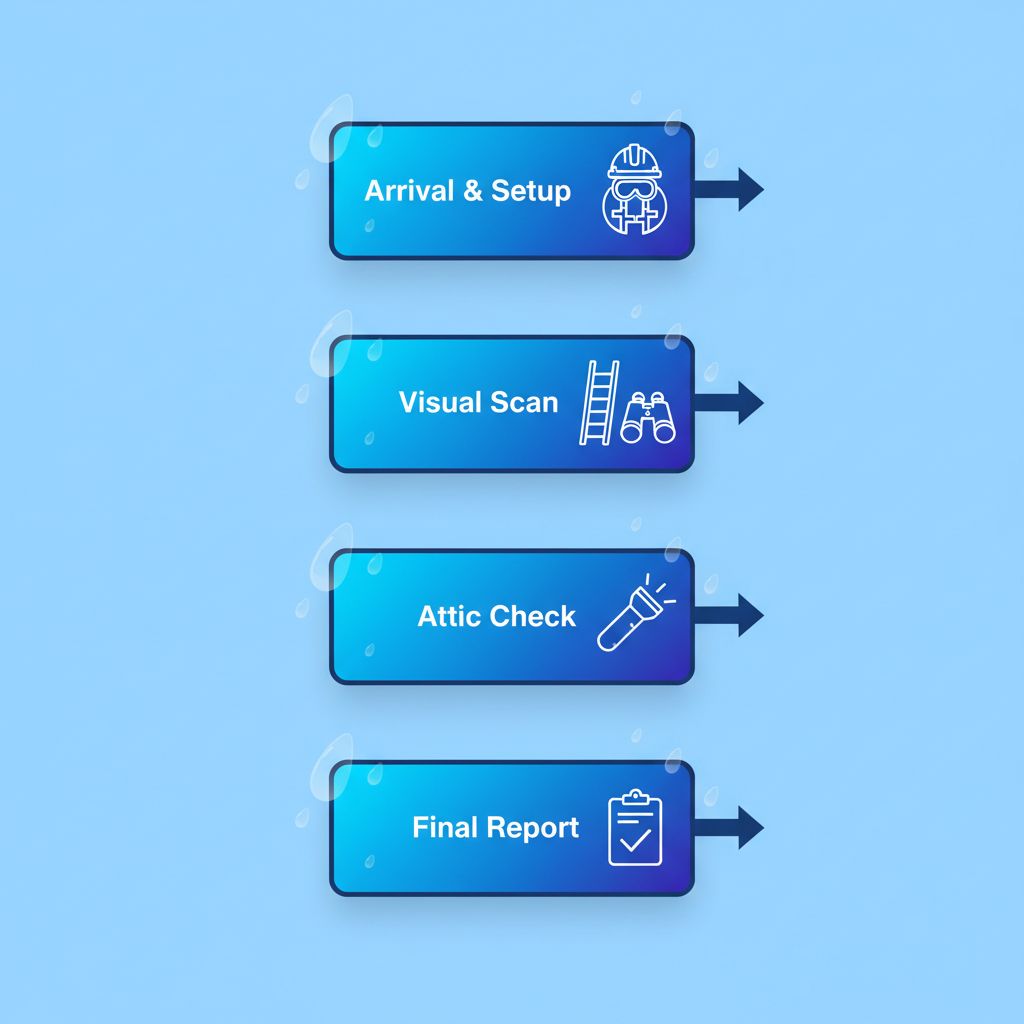
Horizontal process flow of professional roof inspections in Vancouver
This diagram illustrates our methodical approach, from initial assessment to final walkthrough, emphasizing efficiency and precision tailored to local conditions. By following these local roof diagnostic steps, we minimize disruptions while maximizing detection accuracy.
Tools and Techniques for Thorough Checks
In Vancouver’s challenging environment, our inspections incorporate advanced tools for reliable results. Ladders provide stable access for standard visual checks on sloped roofs, while drones survey hard-to-reach multi-story buildings, offering aerial views without risking technician safety. Thermal imaging detects hidden moisture beneath surfaces, ideal for identifying leaks before they worsen.
We adapt these techniques for sloped and flat roofs prevalent in strata complexes. Drone surveys enhance coverage for larger properties, and moisture meters pinpoint damp areas exacerbated by heavy rains. Our expertise ensures these methods align with industry standards, drawing from our commitment to thorough evaluations as a trusted local provider.
Tool choices depend on roof type and accessibility; for instance, drones excel in urban high-rises. The following table compares key methods we use:
| Method | Coverage | Cost Range | Best For |
|---|---|---|---|
| Visual Ladder Inspection | Surface-level visuals, edges | $200–$400 | Residential, low-rise homes |
| Drone Survey | Aerial overview, hard-to-reach | $300–$600 (roof inspection cost in Vancouver) | Multi-story, strata buildings |
| Thermal Imaging | Hidden moisture, insulation | $400–$700 | Flat roofs, leak detection |
These options reflect factors like property size and complexity, with drone methods often justified by their efficiency in preventing costly repairs. As noted in our maintenance guidelines, investing in advanced techniques supports long-term durability against Vancouver’s weather.
Interpreting Results and Next Steps
Post-inspection, we deliver a detailed report outlining findings, complete with photos and videos for transparency. Reports categorize issues by priority, from minor ventilation tweaks to urgent chimney repairs, tailored to Vancouver’s climate risks like moss accumulation.
We discuss results on-site or via follow-up, explaining visible damage indicators that signal the need for action. Recommendations include targeted maintenance or full repairs, integrated with our repair services for seamless progression.
For multifamily scenarios, we provide strata-specific advice on scheduling. Next steps might involve budgeting for fixes or enrolling in our seasonal plans, ensuring compliance with local standards. This thorough process empowers you to protect your investment proactively.
Best Practices for Roof Inspections and Maintenance in Vancouver
At Paragon Roofing BC, we understand the unique challenges Vancouver’s climate poses to roofing systems, from heavy rainfall to occasional heavy winds. Our experience across the Lower Mainland guides homeowners and property managers toward proactive care that prevents costly damage. Implementing best local inspection habits ensures your roof withstands the region’s persistent moisture, extending its lifespan and protecting your investment.
Recognizing Signs of Needed Inspections
Vancouver’s damp environment accelerates roof wear, making it essential to spot signs you need a roof inspection in Vancouver early. We advise homeowners to monitor for indicators that demand immediate attention, such as curling shingles that lift at edges due to moisture expansion, or granules accumulating in gutters from deteriorating asphalt surfaces. Water stains on ceilings or walls often signal interior leaks, while sagging areas in the roofline point to structural weakening from prolonged exposure to rain.
Other Vancouver roof warning signs include damaged flashing around chimneys and vents, which can allow water infiltration during storms, and moss growth that traps moisture and erodes underlying materials. Attending to these signs you need a roof inspection in Vancouver promptly avoids escalation into major repairs. By conducting a roof inspection in Vancouver at the first hint of trouble, you safeguard your home against the local wet weather.
To help identify these issues systematically, the following table outlines common signs and their implications:
| Sign | Description | Urgency Level |
|---|---|---|
| Curling Shingles | Edges lift due to moisture and temperature fluctuations, creating entry points for water | High |
| Granules in Gutters | Loose asphalt granules indicate surface erosion, reducing protective layers | Medium |
| Water Stains | Discoloration on interior surfaces from leaks, suggesting penetration | High |
| Missing Flashing | Gaps around penetrations like vents allow wind-driven rain to enter | High |
We recommend calling professionals when any high-urgency sign appears, as our free onsite inspections, inspired by regional practices in areas like South Surrey, provide detailed assessments to confirm the extent of damage.
Seasonal and Post-Storm Strategies
Timing is crucial for effective roof care in Vancouver’s mild but wet climate. We suggest scheduling inspections in spring to assess winter storm impacts and in fall to prepare for the rainy season, aligning with our biannual maintenance programs. These periods allow for clearing debris and addressing minor wear before conditions worsen.
Post-storm strategies are vital after heavy winds or prolonged rain, common in the Lower Mainland. Immediately inspect for loose shingles or displaced flashing, ensuring safe access by clearing pathways first. For strata properties, we coordinate group assessments to streamline recovery, drawing from our expertise in residential roof maintenance as outlined in local service guides.
Preparation enhances safety and thoroughness: secure ladders on stable ground and avoid inspections during active rain. These best practices minimize risks while maximizing the roof’s resilience against BC weather patterns.
Ongoing Maintenance After Inspections
Following an inspection, we outline targeted follow-up actions to maintain roof health amid Vancouver’s climate. Start with gutter cleaning twice yearly to prevent clogs from leaves and moss, which exacerbate drainage issues in our rainy locale. Ensure proper ventilation by checking ridge vents and soffits, as poor airflow traps humidity and promotes decay.
Our seasonal plans at Paragon Roofing BC, available for residential and strata properties, include proactive measures like sealant reapplication and minor repairs during routine visits. Budgeting for roof inspection cost in Vancouver is straightforward, with our free initial evaluations helping estimate ongoing needs without surprise expenses.
These routines yield benefits like reduced energy loss and fewer emergency calls, fostering long-term durability. By integrating commercial roofing repair in Vancouver into broader property management, businesses also benefit from our comprehensive approach tailored to local demands.
Prioritizing Roof Health in Vancouver
In summary, maintaining roof health through regular inspections is essential for Vancouver homeowners facing our region’s relentless rain and mild winters. We’ve covered the importance of roof inspection in Vancouver, from identifying signs you need a roof inspection in Vancouver like leaks or shingle wear to understanding the straightforward process and benefits of early detection. By prioritizing these practices, you protect your property from costly damage and ensure long-term durability in our wet climate.
Key takeaways include the value of professional vigilance tailored to local weather challenges, such as moss buildup and drainage issues highlighted in our seasonal preparation tips. Our comprehensive services, from inspections to full replacements, deliver reliable results backed by decades of experience. We offer free on-site assessments with transparent roof inspection cost in Vancouver, helping you budget effectively without surprises.
As a trusted roofing contractor across British Columbia, we invite you to contact our Vancouver office at 997 Seymour St Suite 250 or our Surrey location at 12233 92 Avenue for roofing services in South Surrey and beyond. Schedule your no-obligation consultation today to sustain your Vancouver roofs and embrace ongoing local roof care for a secure future.
Resources
- Get Specialized Multifamily Roofing Services in Vancouver
- Discover Experienced Roofing Services in South Surrey
- Obtain Expert Commercial Roofing Repair in Vancouver
- Schedule Proactive Residential Roof Maintenance in Vancouver
- Prepare Vancouver Roofs for Winter and Rainy Seasons
- Explore Comprehensive Vancouver Roofing Services by Experts
- Find Vancouver’s Best Roofing Company for Quality Installations
- Learn Professional Roof Inspection Guide for Safety
- Ensure Comprehensive Roof Inspections to Extend Lifespan
- Access NRCA Roofing Guidelines and Best Practices
- Guide to Safe Storm Roof Repairs and Assessments
